Table of Contents
ToggleRemote work isn’t going anywhere, and for most people, that means carving out a workspace in an already-crowded home. The living room often becomes the default option, not because it’s ideal, but because it’s available. The good news? A small combined living room office doesn’t have to feel cramped or chaotic. With intentional furniture choices, smart storage, and a few spatial tricks, anyone can create a setup that handles video calls at 9 a.m. and movie nights by 7 p.m. This guide walks through practical strategies for making a dual-purpose space actually work.
Key Takeaways
- Place your desk in ‘dead zones’ like corners or alcoves to avoid disrupting traffic flow and maintain your small living room office combo functionality without dominating the space.
- Use neutral wall colors combined with layered, adjustable lighting to create an environment that supports focused work during the day and relaxation in the evening without feeling disconnected.
- Incorporate vertical storage solutions like floating shelves, credenzas, and ladder shelves to keep office supplies organized while preserving open floor space and maintaining a clean living room aesthetic.
- Choose space-saving desk options such as wall-mounted fold-down desks, secretary desks, or console tables paired with laptop stands to maximize workspace without overwhelming compact living rooms.
- Create visual separation between your work and living zones using area rugs, bookshelves, curtains, or accent walls—these psychological boundaries help your brain shift between productivity and downtime modes.
- Manage cables with adhesive clips and sleeves to prevent tripping hazards and create a finished, intentional look that distinguishes a professional workspace from a temporary setup.
Why a Living Room Office Combo Makes Sense for Modern Homes
Square footage costs money, and most homes don’t come with a spare room waiting to become an office. The living room, but, typically offers the best natural light, the most elbow room, and easy access to the rest of the house. Unlike a bedroom setup, a home office in living room ideas can maintain better work-life boundaries, shutting a laptop on a desk feels different than working from bed.
There’s also a practical side: living rooms usually have better HVAC coverage, multiple outlets, and existing furniture that can double as storage or workspace. Retrofitting this space beats paying rent on a co-working membership or trying to concentrate at the kitchen table while someone’s making lunch.
The challenge isn’t whether it works, it’s how to set it up so the workspace doesn’t hijack the room’s original function. That requires a plan, not just shoving a desk in the corner and hoping for the best.
Strategic Furniture Placement for Dual-Purpose Functionality
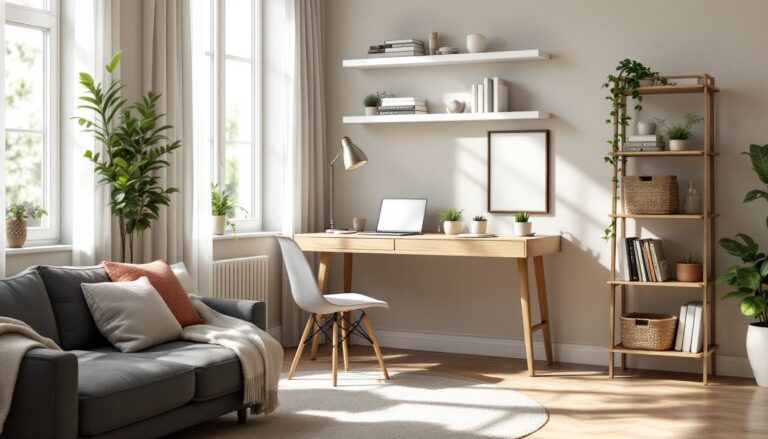
Furniture placement makes or breaks office in living room ideas. Start by identifying the room’s “dead zones”, corners, alcoves, or wall sections that don’t get much foot traffic. These spots can hold a desk without disrupting the flow between the couch, TV, and entryway.
A corner desk fits into a 90-degree wall junction and takes up less visual space than a traditional rectangular desk floating in the room. Position it so the chair faces away from the main seating area: this creates a psychological boundary and reduces distractions during work hours. If the living room has a bay window or alcove, even better, natural light improves focus, and the architectural feature frames the workspace.
For rooms with an open floor plan, consider placing the desk behind the sofa. This arrangement uses the couch as a natural divider and keeps the work zone out of the main sightline when someone’s watching TV. Just confirm there’s enough clearance, minimum 36 inches, to push the chair back without hitting the sofa.
Avoid blocking windows or HVAC vents with large furniture. Airflow matters for comfort during long workdays, and covering a vent can throw off the room’s temperature balance. Many interior design approaches emphasize functional flow over purely aesthetic arrangements, especially in multi-use spaces.
Smart Storage Solutions to Minimize Clutter
Clutter kills productivity and makes a living room feel messy. A small living room office combo needs storage that handles work supplies without turning the space into a filing cabinet showroom.
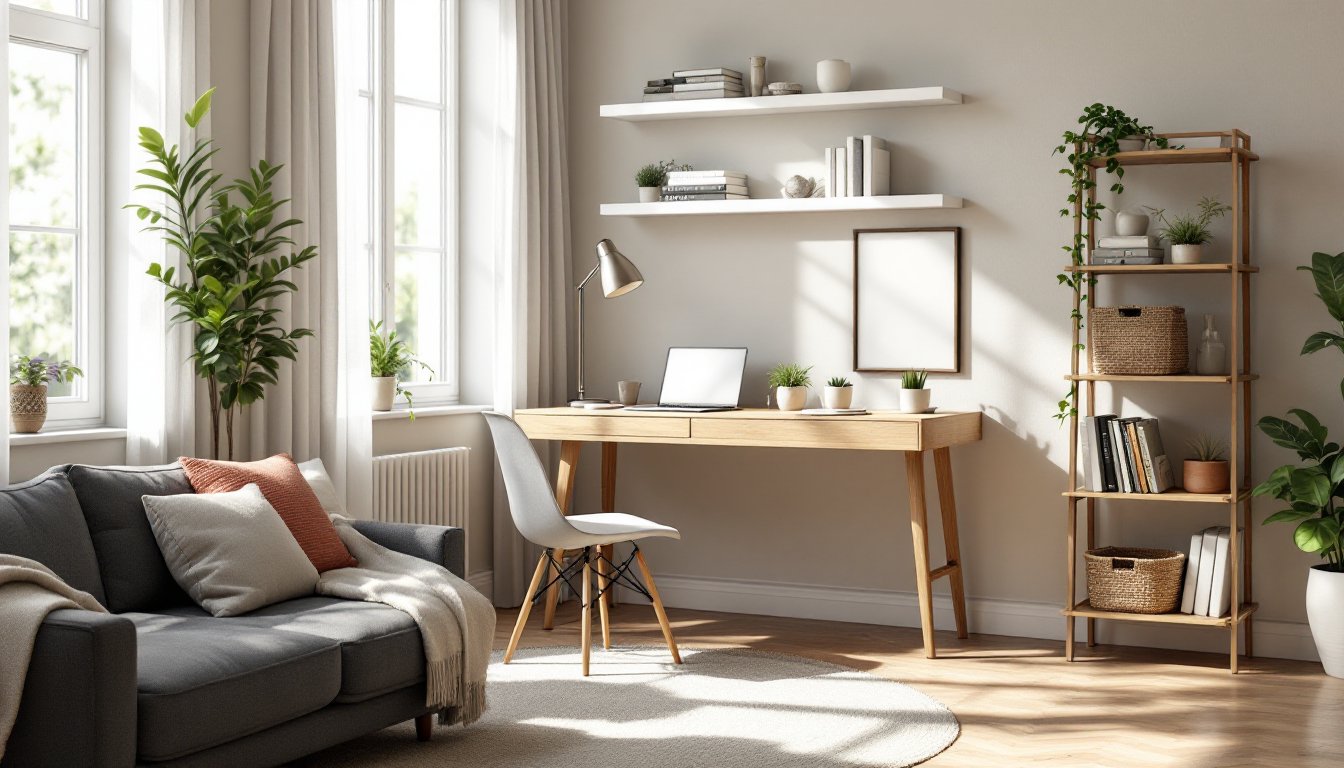
Floating shelves mounted above the desk keep reference books, binders, and office supplies within reach while leaving floor space open. Install them with wall anchors rated for at least 50 lbs if mounting into drywall: toggle bolts work well for hollow walls. Space shelves 12 to 15 inches apart for standard-size books and storage boxes.
Closed storage hides the mess. A credenza, sideboard, or media console with drawers can store printer paper, chargers, and paperwork during the day, then display decor or hold a sound system at night. Look for pieces with a depth of 18 to 20 inches, shallow enough to fit along a wall without eating too much floor space.
For vertical storage, a ladder shelf leans against the wall and provides multiple tiers without requiring anchors or permanent installation. It works especially well in rentals where wall-mounting options are limited. Keep the lower shelves for decorative items (to maintain the living room vibe) and reserve upper tiers for office supplies stored in matching baskets or bins.
Cable management matters more than most people think. Use adhesive cable clips or a cable sleeve to bundle cords running from the desk to outlets. Loose wires sprawling across the floor are a tripping hazard and make the space look unfinished. Simple strategies for organizing home workspaces can prevent the tangled-cord look that screams “temporary setup.”
Color Schemes and Lighting That Balance Work and Relaxation
Color and lighting set the tone for how a space feels, and a dual-purpose room needs to support two very different modes: focused work and unwinding after hours.
Stick with neutral wall colors, grays, taupes, or soft whites, as a base. These tones don’t overstimulate and work equally well for a Zoom background or a cozy evening setup. If the space feels too sterile, add warmth with accent colors in throw pillows, artwork, or a rug. Avoid bold, high-energy colors like bright red or neon yellow: they’re distracting during work and can feel jarring when trying to relax.
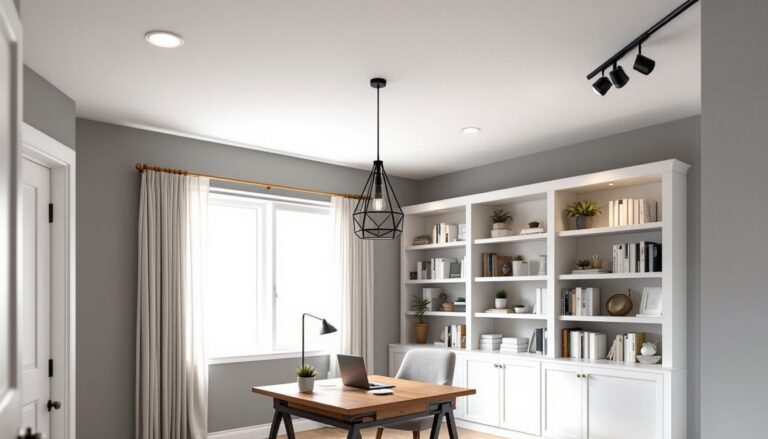
Lighting should be layered. A single overhead fixture rarely provides enough task lighting for desk work, and it’s too harsh for evening TV watching. Add a desk lamp with adjustable brightness (look for models with at least 400 to 500 lumens for reading and computer work). LED bulbs in the 3000K to 4000K range deliver clear, neutral light that reduces eye strain without the cold, clinical feel of higher Kelvin temps.
For ambient lighting, use floor lamps or table lamps with dimmer switches. This lets the room shift from bright and alert during work hours to soft and comfortable in the evening. Many small space design tactics rely on lighting flexibility to make one room serve multiple functions without feeling schizophrenic.
Avoid placing the desk directly under a ceiling fan or recessed light that creates glare on the computer screen. Position the monitor perpendicular to windows to minimize reflections and reduce the need for screen brightness adjustments throughout the day.
Space-Saving Desk Options for Compact Living Rooms
Not every living room can fit a full-size desk, and that’s fine. Several compact desk styles deliver workspace without dominating the room.
A wall-mounted fold-down desk attaches directly to the wall and folds up when not in use. These typically measure 24 to 30 inches wide and provide enough surface area for a laptop, notebook, and coffee mug. When folded, they protrude only 4 to 6 inches from the wall. Installation requires locating studs or using heavy-duty anchors: most fold-down desks weigh 30 to 50 lbs fully loaded, so secure mounting is non-negotiable.
Secretary desks (also called drop-front desks) combine storage and workspace in a single vertical unit. The front panel folds down to create a writing surface, then closes to hide the work clutter. These pieces often include cubbies and drawers inside, making them a good fit for small spaces that need integrated storage. Standard secretary desks stand 40 to 48 inches tall and 30 to 36 inches wide.
For truly minimal setups, a laptop stand on a console table works. The console table serves as a decorative piece when the laptop isn’t there, and the stand elevates the screen to eye level, reducing neck strain. Pair this with a wireless keyboard and mouse to maintain ergonomic typing posture. Console tables typically run 12 to 18 inches deep, so they fit against a wall without blocking pathways.
C-shaped side tables slide under the sofa or beside an armchair, creating an impromptu workspace that tucks away when the workday ends. These tables measure about 24 inches tall and work best for light tasks, answering emails, sketching notes, rather than eight-hour work marathons. Resources like Homedit’s furniture guides often highlight compact desk designs that prioritize flexibility over footprint.
Creating Visual Separation Between Work and Living Zones
Physical separation isn’t always possible in a small space, but visual separation helps the brain shift gears between work mode and downtime.
A bookshelf or open shelving unit placed perpendicular to the wall acts as a partial room divider. It doesn’t need to reach the ceiling or span the full width of the room: even a 3- to 4-foot-wide unit creates a sense of boundary. Stock it with a mix of books, plants, and decor to maintain the living room aesthetic while defining the office zone.
Area rugs mark territory without adding vertical bulk. Place a smaller rug under the desk and chair to define the work zone, then use a larger rug anchoring the sofa and coffee table for the living area. Choose rugs with contrasting textures or patterns to reinforce the separation, maybe a low-pile jute rug under the desk and a plush wool rug in the seating area.
Curtains or fabric panels mounted on a ceiling track offer flexible division. Pull them closed during video calls for privacy and a neutral background, then slide them open when work is done. Linen or cotton blends filter light without making the room feel cave-like. Track systems install with brackets screwed into ceiling joists or blocking: if the ceiling is drywall with no attic access, use toggle anchors rated for the weight of the fabric and hardware.
Paint or wallpaper can create a subtle accent wall behind the desk, signaling a shift in function without physical barriers. Stick to one wall to avoid overwhelming the space, and choose a color or pattern that complements the room’s existing palette. For renters, peel-and-stick wallpaper offers a removable option that won’t forfeit a security deposit.
Incorporating tips from practical home design methods can help maintain a cohesive look even when dividing a room into zones.
Conclusion
A small living room office combo isn’t a compromise, it’s a practical response to how people actually live and work today. With the right furniture placement, storage, lighting, and spatial tricks, one room can handle both productivity and relaxation without feeling cramped or chaotic. The key is treating the setup as intentional design, not a temporary fix. Whether someone’s starting with foundational planning ideas, exploring tailored workspace concepts, or refining an existing setup with proven layout techniques, the goal stays the same: create a space that works hard during business hours and lets everyone unwind when the laptop closes.