Table of Contents
ToggleHome ideas strategies can turn any house into a space that feels truly personal. Whether someone rents a small apartment or owns a sprawling suburban home, smart planning makes all the difference. The right approach combines creativity with practical thinking. It considers budget, lifestyle, and long-term goals.
This guide covers proven methods for transforming living spaces. Readers will learn how to assess their current setup, decorate on a budget, and create cohesive designs across every room. From storage solutions for tight quarters to style tips that tie everything together, these home ideas strategies work for any situation.
Key Takeaways
- Start any home transformation by assessing each room’s current strengths and defining specific, actionable goals.
- Budget-friendly home ideas strategies like painting accent walls, shopping secondhand, and rearranging furniture can dramatically improve your space without major spending.
- Maximize small spaces by thinking vertically, choosing multi-purpose furniture, and decluttering ruthlessly before adding storage solutions.
- Create cohesive design throughout your home by threading consistent colors, materials, and textures across different rooms.
- Balance vintage and contemporary pieces to make your home feel thoughtfully collected rather than catalog-purchased.
- Treat your living space as an evolving project—continuously edit, rotate, and refresh elements as your lifestyle changes.
Assess Your Space and Set Clear Goals
Every successful home transformation starts with honest assessment. Before buying furniture or picking paint colors, homeowners should walk through each room with fresh eyes. They should note what works and what doesn’t.
Take Stock of What You Have
Most people overlook the potential in their current setup. That awkward corner might become a reading nook. The cluttered entryway could use a simple bench with storage. Home ideas strategies work best when they build on existing strengths.
Create a simple list for each room:
- What functions does this space need to serve?
- What furniture stays, and what goes?
- How does natural light move through the room during the day?
- What’s the traffic flow like?
Define Your Vision
Vague goals lead to scattered results. Instead of thinking “I want my living room to look better,” try something specific: “I want a comfortable space for movie nights that also works for morning yoga.” Clear goals help prioritize spending and prevent impulse purchases that don’t fit the plan.
Write down three words that describe the feeling each room should create. Cozy, bright, and organized? Modern, minimal, and functional? These words become a filter for every decision that follows.
Budget-Friendly Decorating Strategies
Money constraints don’t have to limit creativity. Some of the best home ideas strategies cost little or nothing at all.
Paint Changes Everything
A gallon of quality paint costs around $30-50 and can completely transform a room. Accent walls add drama without overwhelming a space. White ceilings make rooms feel taller. Dark colors in small bathrooms can create a surprisingly luxe atmosphere.
Shop Secondhand First
Thrift stores, estate sales, and online marketplaces offer furniture at a fraction of retail prices. Solid wood pieces from the 1960s and 70s often outperform modern particleboard options in both quality and style. A quick sanding and fresh stain can make dated pieces look custom.
DIY Where It Makes Sense
Some projects suit beginners perfectly:
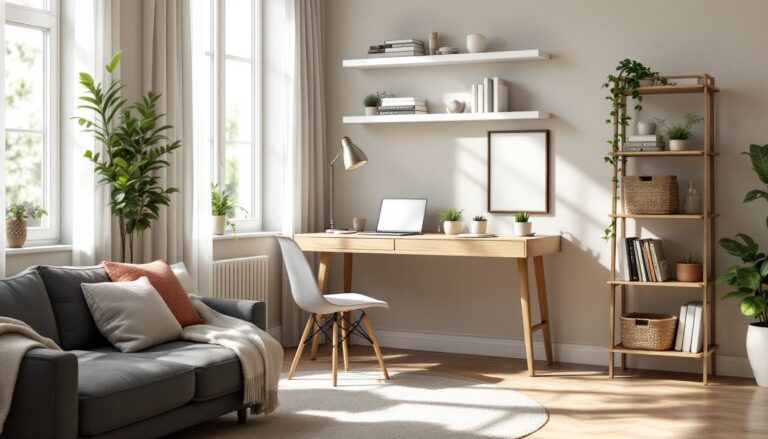
- Installing floating shelves
- Replacing cabinet hardware
- Creating gallery walls with inexpensive frames
- Sewing simple pillow covers
- Refinishing small furniture pieces
Other projects, electrical work, plumbing, structural changes, require professionals. Knowing the difference saves money and prevents costly mistakes.
Rearrange Before You Buy
Moving existing furniture to new positions costs nothing. That couch might work better angled away from the wall. The dresser from the guest room could function as a TV console. These home ideas strategies often produce surprising results.
Room-by-Room Improvement Ideas
Each room serves different purposes and deserves specific attention.
Living Room
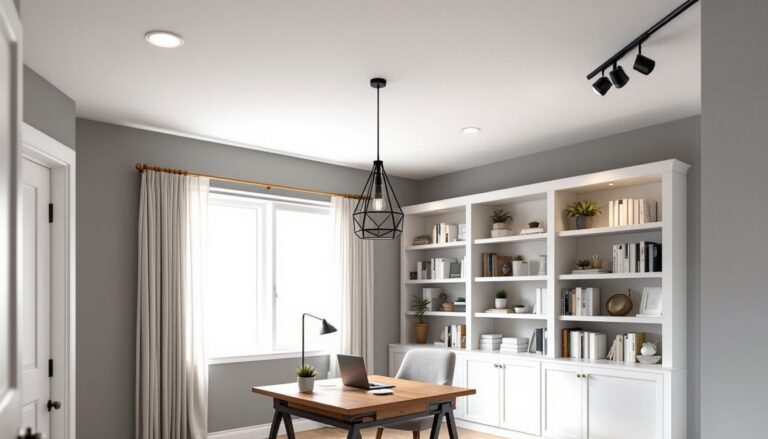
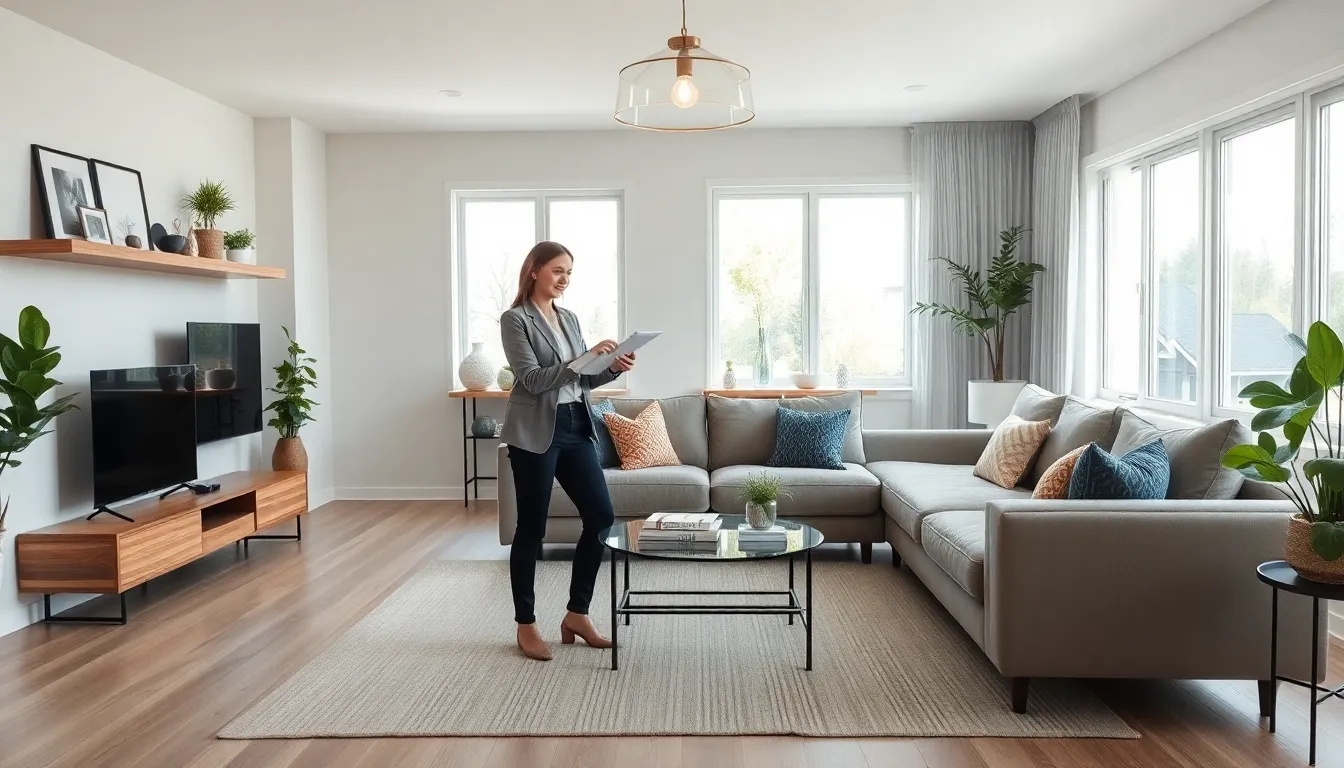
This space handles entertainment, relaxation, and social gatherings. Layered lighting, overhead, task, and accent, creates flexibility. A mix of seating options (sofa, armchairs, floor cushions) accommodates different group sizes. Rugs define conversation areas and add warmth to hard floors.
Kitchen
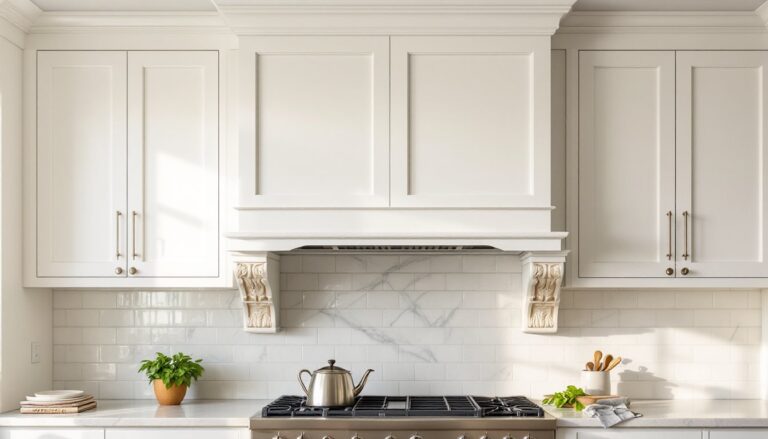
Functionality matters most here. Clear countertops make cooking easier and spaces feel larger. Open shelving displays attractive dishes while keeping everyday items accessible. Under-cabinet lighting improves visibility and ambiance. Even renters can add peel-and-stick backsplash tiles for a fresh look.
Bedroom
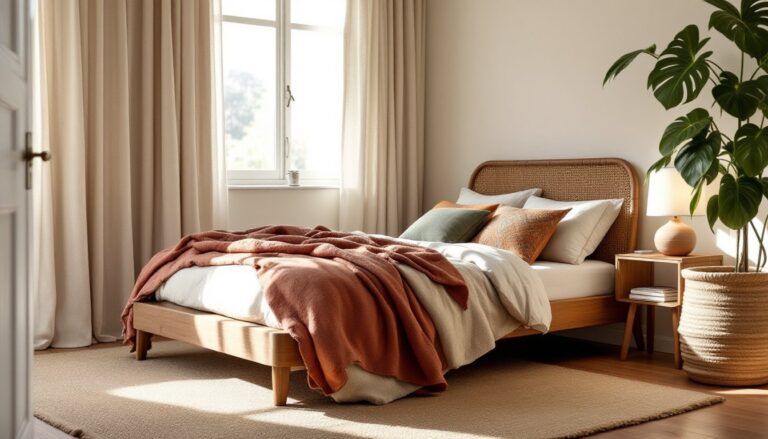
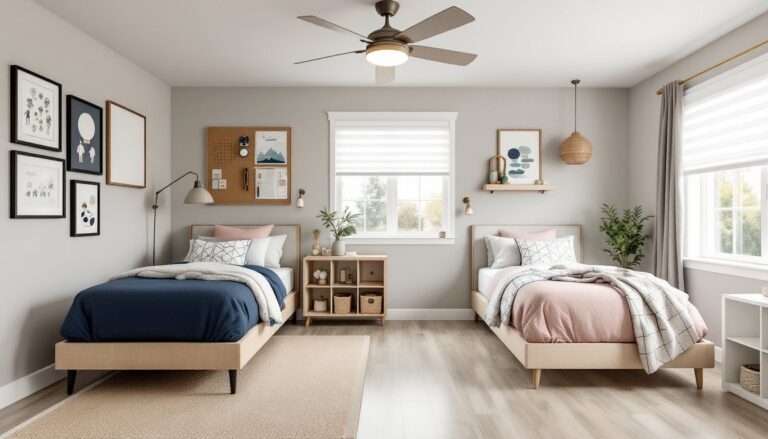
Sleep quality improves with thoughtful design. Blackout curtains block streetlights. Bedside storage keeps surfaces clear. A cohesive color palette, usually soft, muted tones, promotes relaxation. The bed should face the door when possible: this arrangement feels more secure and restful.
Bathroom
Small changes make big impacts in bathrooms. New towels and a matching shower curtain instantly refresh the space. Removing items from counter surfaces reduces visual clutter. Plants that thrive in humidity (pothos, ferns, spider plants) add life to an often-sterile room.
Maximizing Small Spaces and Storage
Square footage doesn’t determine livability. Smart home ideas strategies help compact spaces function beautifully.
Think Vertical
Walls offer free real estate that most people ignore. Floor-to-ceiling bookshelves store more than short units while drawing the eye upward. Hooks near doors hold bags, keys, and coats. Magnetic strips in kitchens keep knives accessible without using drawer space.
Choose Multi-Purpose Furniture
Ottomans with hidden storage serve as seating, footrests, and organizational tools. Murphy beds disappear during the day. Nesting tables expand for guests and tuck away when not needed. Dining tables with leaves accommodate both daily meals and holiday gatherings.
Declutter Ruthlessly
No amount of storage fixes a clutter problem. Before adding organizational systems, reduce possessions to items that serve a purpose or bring genuine joy. Donate duplicates. Recycle old magazines. Sell furniture that doesn’t fit the current lifestyle.
Use Mirrors Strategically
Mirrors reflect light and create the illusion of depth. A large mirror opposite a window essentially doubles the natural light in a room. Mirrored closet doors make bedrooms feel more spacious.
Bringing It All Together With a Cohesive Style
Individual rooms look better when they connect visually. Cohesive home ideas strategies create flow throughout a residence.
Pick a Color Thread
This doesn’t mean every room matches exactly. Instead, choose two or three colors that appear in varying amounts throughout the home. Navy might dominate the living room but appear only in throw pillows in the bedroom. Warm wood tones might carry from kitchen cabinets to bedroom furniture.
Repeat Materials and Textures
Brass hardware in the kitchen feels connected to brass lamp fixtures in the dining room. Linen curtains in one space echo linen bedding in another. These repetitions create visual rhythm without monotony.
Balance Old and New
Homes that mix vintage and contemporary pieces feel collected over time rather than purchased in a single shopping trip. An antique mirror works beautifully above a modern console. Industrial shelving pairs well with traditional ceramics. These contrasts add interest and personality.
Edit Continuously
A finished room isn’t permanent. Swap seasonal accessories. Rotate artwork between rooms. Remove items that no longer work. Living spaces should evolve with their inhabitants.