Table of Contents
ToggleThe top home appliances of 2026 offer more than convenience, they deliver real savings on time, energy, and money. Whether someone is upgrading a kitchen, automating laundry, or building a smarter household, choosing the right appliances matters. This guide covers the most worthwhile home appliances to invest in this year, from essential kitchen tools to intelligent devices that practically run themselves.
Key Takeaways
- The top home appliances of 2026 deliver savings on time, energy, and money through advanced features and smart connectivity.
- Energy-efficient appliances with ENERGY STAR certification can reduce electricity costs by 15-40% compared to older models.
- Front-loading washers use 50% less water, while heat pump dryers cut energy use by up to 40%.
- Smart home appliances like connected refrigerators and ovens offer practical benefits including reduced food waste and remote monitoring.
- Robot vacuums and cordless stick vacuums have evolved into essential cleaning tools that save hours each week.
- When choosing home appliances, prioritize energy efficiency, check installation requirements, and calculate total cost of ownership over 5-10 years.
Essential Kitchen Appliances for Modern Homes
The kitchen remains the heart of most households, and the right appliances can transform daily cooking from a chore into something enjoyable.
Refrigerators with Advanced Features
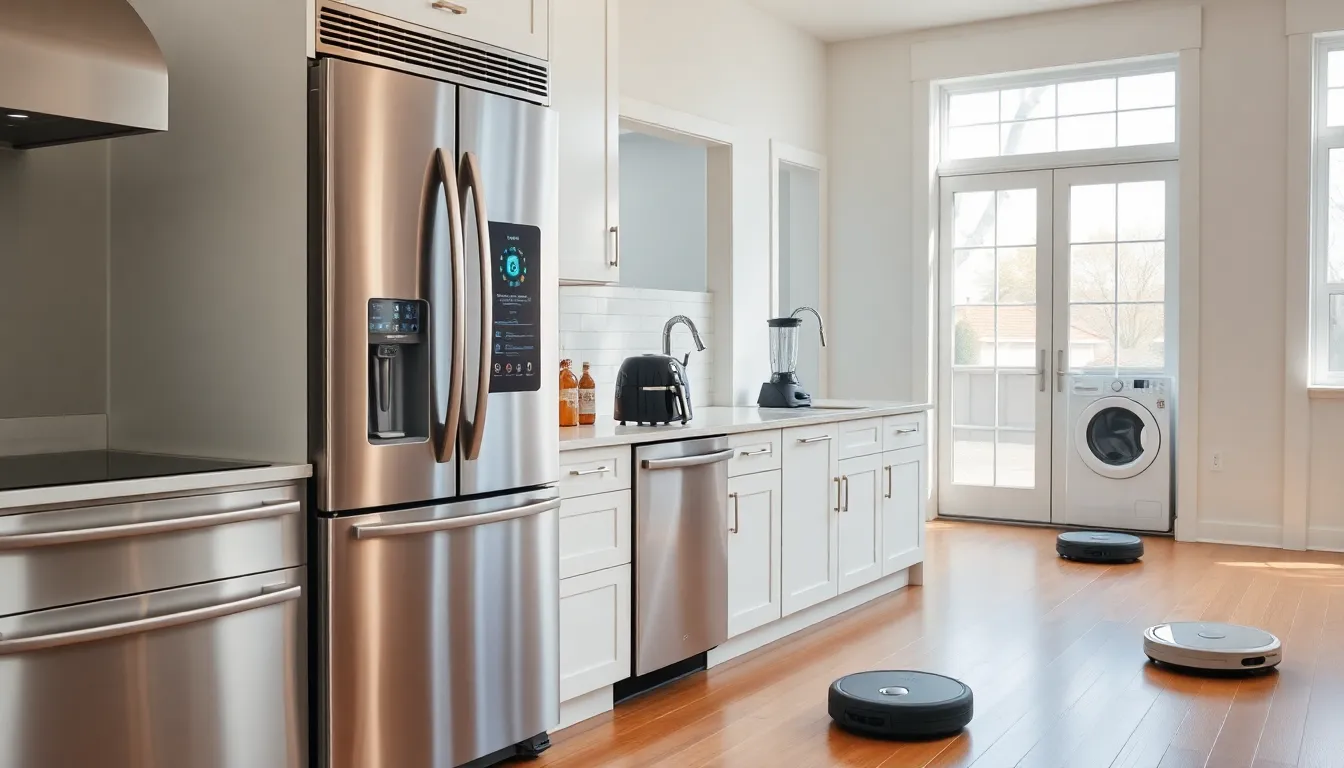
A high-quality refrigerator tops the list of essential home appliances. Modern models now include adjustable temperature zones, humidity-controlled drawers, and built-in water filtration. French-door styles remain popular for their accessibility, while counter-depth options offer a sleeker look. Energy-efficient models with ENERGY STAR certification can reduce electricity costs by 15% or more compared to older units.
Induction Cooktops and Ranges
Induction cooking has gained serious momentum. These cooktops heat cookware directly through electromagnetic energy, which means faster boiling times and precise temperature control. They’re also safer, the surface stays cool to the touch. For households with children or anyone who values efficiency, induction ranges represent a smart upgrade.
Dishwashers That Actually Clean
Nobody wants to pre-wash dishes before loading them into a dishwasher. The best 2026 models feature soil sensors that adjust water pressure and cycle length automatically. Third-rack designs provide extra space for utensils and small items. Look for quiet operation ratings below 45 decibels, neighbors and sleeping family members will appreciate it.
Countertop Appliances Worth the Space
Air fryers continue their reign as a kitchen staple. They crisp food using minimal oil and preheat in seconds. Stand mixers remain indispensable for bakers, while high-powered blenders handle everything from smoothies to hot soups. These smaller home appliances earn their counter space through daily use.
Must-Have Laundry and Cleaning Appliances
Laundry and cleaning appliances have evolved significantly. Today’s machines do more work with less input from users.
Washing Machines and Dryers
Front-loading washers use roughly 50% less water than traditional top-loaders. They also extract more water during spin cycles, which reduces drying time. Heat pump dryers represent the next step in efficiency, they recycle hot air rather than venting it outside, cutting energy use by up to 40%. Many homeowners now consider washer-dryer pairs among their most valuable home appliances.
Steam cleaning features remove stubborn stains and allergens without harsh chemicals. Sanitize cycles kill bacteria and dust mites, making these machines particularly useful for households with allergies.
Robot Vacuums and Mops
Robot vacuums have matured into genuinely useful home appliances. Current models map floor plans, avoid obstacles, and empty their own dustbins. Some handle both vacuuming and mopping in a single pass. For pet owners or busy professionals, a quality robot vacuum saves hours each week.
Stick Vacuums for Quick Cleanups
Cordless stick vacuums complement robot models nicely. They’re lightweight, charge quickly, and handle messes that need immediate attention. Battery life has improved dramatically, many models now run 60 minutes or longer on a single charge.
Smart Home Appliances That Save Time and Energy
Smart home appliances connect to WiFi and respond to voice commands or smartphone apps. This connectivity isn’t just a gimmick, it delivers practical benefits.
Smart Refrigerators
These home appliances track expiration dates, suggest recipes based on available ingredients, and let users peek inside via interior cameras. Some models display calendars and stream music. The real value? Reduced food waste and fewer forgotten grocery items.
Connected Ovens and Ranges
Smart ovens preheat on command and send notifications when food reaches the target temperature. Some integrate with recipe apps to automatically set time and temperature. Remote monitoring provides peace of mind, users can confirm the oven is off without driving back home.
Smart Thermostats and HVAC Integration
While not a traditional appliance, smart thermostats work alongside heating and cooling systems to optimize comfort and reduce energy bills. They learn household patterns and adjust temperatures accordingly. Many utility companies offer rebates for installation.
Voice-Controlled Convenience
Integration with Alexa, Google Assistant, and Apple HomeKit allows users to control multiple home appliances through simple voice commands. Starting the dishwasher, adjusting the thermostat, or checking the laundry timer becomes hands-free.
How to Choose the Right Home Appliances for Your Needs
Selecting home appliances requires balancing features, budget, and long-term value. Here’s how to make smart decisions.
Assess Actual Usage Patterns
A professional-grade range makes sense for someone who cooks elaborate meals daily. It’s overkill for someone who mostly reheats leftovers. Match appliance capabilities to realistic household needs. Bigger isn’t always better, oversized appliances waste energy and space.
Prioritize Energy Efficiency
ENERGY STAR ratings matter. Efficient home appliances cost more upfront but pay for themselves through lower utility bills. Calculate the total cost of ownership over 5-10 years, not just the purchase price.
Check Dimensions and Installation Requirements
Measure spaces carefully before purchasing. Account for door clearance, ventilation needs, and electrical requirements. Some appliances require dedicated circuits or specific outlet types. Installation costs can add hundreds to the final price.
Read Verified Reviews
Consumer reports and verified buyer reviews reveal real-world performance. Pay attention to comments about reliability after 1-2 years of use, that’s when quality differences become apparent.
Consider Repair and Parts Availability
Some brands maintain better parts inventories and service networks than others. An appliance that can’t be repaired becomes expensive landfill. Check warranty terms and read about customer service experiences before committing.