Table of Contents
ToggleHome appliances make daily life easier, but selecting and caring for them requires some thought. The right refrigerator, washing machine, or dishwasher can save time, reduce energy bills, and last for years. The wrong choice? That leads to frustration, costly repairs, and premature replacements.
This guide covers everything homeowners need to know about home appliances. From understanding the different types available to choosing the best options for specific needs, readers will find practical advice they can use immediately. The article also addresses safe operation practices and maintenance strategies that extend appliance lifespans significantly.
Key Takeaways
- Home appliances fall into two categories: major appliances (refrigerators, washers, ovens) lasting 10–20 years, and small appliances lasting 3–10 years.
- Always measure your available space and check energy efficiency ratings before purchasing any home appliance to avoid costly mistakes.
- ENERGY STAR certified appliances cost more upfront but save significant money on energy bills over their lifespan.
- Read the owner’s manual for every home appliance to understand safety instructions and prevent expensive repair issues.
- Clean refrigerator coils every six months and washing machine drums monthly to extend appliance life and maintain efficiency.
- Never leave stovetops, ovens, or portable heaters unattended, and clean dryer vents annually to prevent house fires.
Understanding Different Types Of Home Appliances
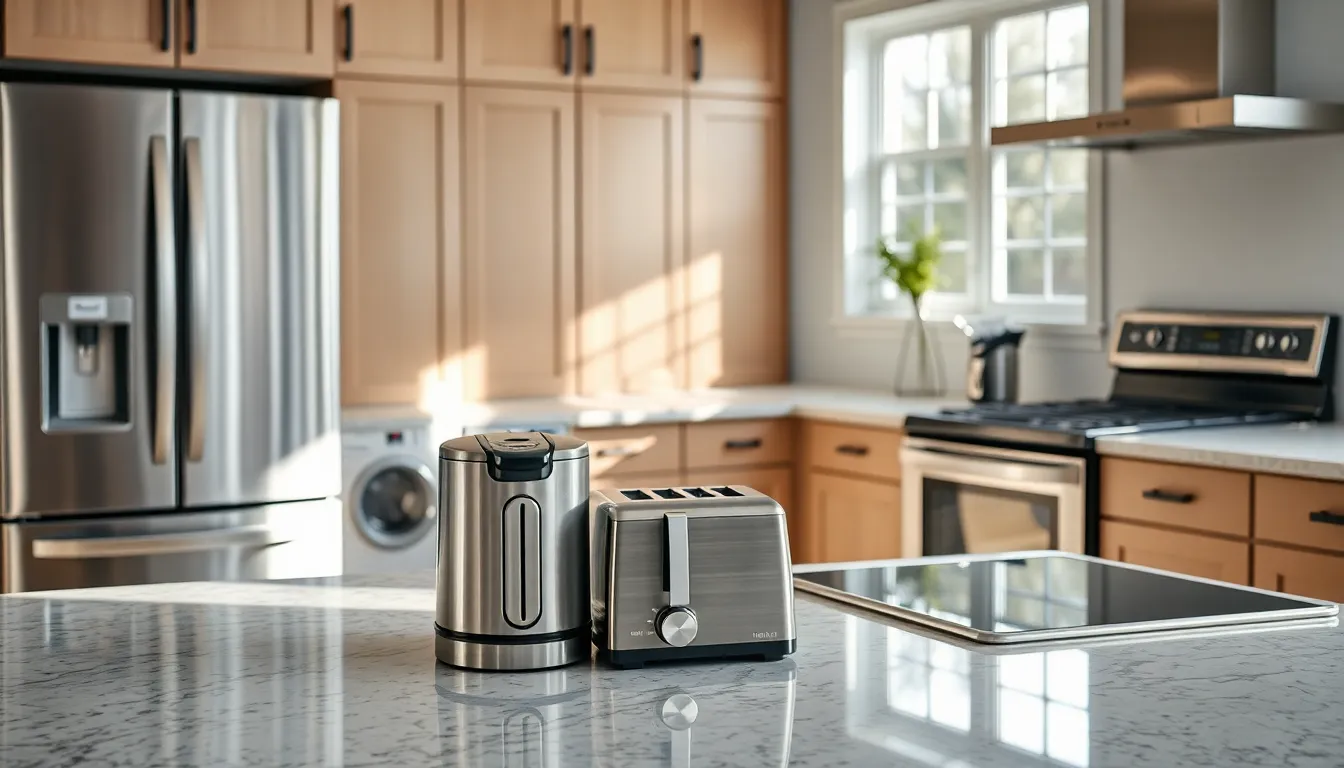
Home appliances fall into two main categories: major appliances and small appliances. Major appliances include refrigerators, washing machines, dryers, dishwashers, ovens, and HVAC systems. These large units typically require professional installation and represent significant investments.
Small appliances cover items like toasters, blenders, coffee makers, and microwaves. They plug into standard outlets and serve specific tasks in the kitchen or around the house.
Major Appliances
Major home appliances handle essential household functions. A refrigerator keeps food fresh. A washing machine cleans clothes. An oven cooks meals. These appliances run daily or weekly and consume considerable energy.
Most major appliances last between 10 and 20 years with proper care. Refrigerators average 13 years. Washing machines typically function well for 11 years. Dishwashers usually need replacement around the 10-year mark.
Small Appliances
Small home appliances perform specialized jobs. A coffee maker brews morning drinks. A food processor chops vegetables quickly. A vacuum cleaner removes dirt from floors.
These units cost less than major appliances but may need replacement more frequently. Most small appliances last 3 to 10 years depending on build quality and usage patterns.
How To Choose The Right Appliances For Your Home
Choosing home appliances involves several key considerations. Size, energy efficiency, features, and budget all play important roles in the decision-making process.
Measure Available Space
Before shopping for any home appliance, measure the installation area carefully. Note the width, height, and depth available. Check door swing clearances and ventilation requirements. A beautiful refrigerator means nothing if it won’t fit through the kitchen doorway.
Consider Energy Efficiency
Energy-efficient home appliances cost more upfront but save money over time. Look for ENERGY STAR certified products. These appliances meet strict efficiency standards set by the U.S. Environmental Protection Agency.
A standard refrigerator uses about 400-600 kWh annually. An ENERGY STAR model might use 350-400 kWh. That difference adds up over a decade of operation.
Match Features To Actual Needs
Modern home appliances come packed with features. Smart connectivity, touch screens, and specialized cycles sound impressive. But do they match real household needs?
A family of five needs a large-capacity washing machine. A single person living in an apartment might prefer a compact unit. Extra features add cost and potential repair points. Choose what actually serves the household.
Set A Realistic Budget
Home appliances range widely in price. A basic refrigerator costs $500-800. A premium model with smart features might exceed $3,000. Set a budget before shopping and stick to it.
Remember that the cheapest option isn’t always the best value. A $400 washing machine that breaks in three years costs more than a $600 model lasting ten years.
Essential Tips For Using Home Appliances Safely
Safe operation of home appliances protects families and extends equipment life. These guidelines apply to most household units.
Read The Manual
Every home appliance comes with an owner’s manual. This document contains specific safety instructions, operating procedures, and troubleshooting tips. Reading it takes 20 minutes and prevents expensive mistakes.
Keep manuals in a designated folder or download digital versions from manufacturer websites.
Check Electrical Requirements
Major home appliances often require dedicated electrical circuits. A dryer typically needs a 240-volt outlet. A refrigerator should have its own 120-volt circuit without other devices sharing the load.
Using extension cords with major appliances creates fire hazards. Plugging too many small appliances into one outlet overloads circuits. Both situations invite trouble.
Maintain Proper Ventilation
Dryers, ranges, and refrigerators need adequate airflow. A dryer vent clogged with lint causes approximately 2,900 house fires annually in the United States. Clean dryer vents at least once per year.
Refrigerators require several inches of clearance behind and above the unit. This space allows heat to dissipate properly.
Never Leave Appliances Unattended
Certain home appliances demand supervision during operation. Stovetops, ovens, and portable heaters can cause fires if left unattended. Dishwashers and washing machines occasionally leak or malfunction.
Stay home while running these appliances whenever possible. At minimum, check them periodically during operation cycles.
How To Maintain Your Appliances For Longevity
Regular maintenance keeps home appliances running efficiently for years. Simple cleaning and inspection routines prevent most common problems.
Refrigerator Care
Clean refrigerator coils every six months. Dirty coils force the compressor to work harder, increasing energy consumption by 25% or more. The coils sit either behind or beneath the unit.
Check door seals regularly. A loose seal lets cold air escape and drives up electricity bills. Test seals by closing the door on a dollar bill. If the bill slides out easily, replace the gasket.
Washing Machine Maintenance
Run a cleaning cycle monthly using hot water and either white vinegar or a commercial washer cleaner. This removes soap residue and prevents mold growth.
Leave the door open between uses to allow the drum to dry completely. Front-loading washers especially benefit from this practice.
Inspect water supply hoses annually. Replace rubber hoses every five years or switch to braided stainless steel versions that last longer.
Dishwasher Upkeep
Clean the filter monthly. Most modern dishwashers have a removable filter at the bottom of the tub. Food particles accumulate there and reduce cleaning performance.
Wipe door edges and gaskets weekly with a damp cloth. Run an empty cycle with dishwasher cleaner or white vinegar monthly.
Range And Oven Care
Clean stovetop spills immediately after cooking. Baked-on residue becomes harder to remove over time and can affect burner performance.
For ovens, use the self-cleaning function sparingly, perhaps twice per year. Excessive self-cleaning cycles stress door seals and heating elements. Manual cleaning with appropriate products works well for routine maintenance.