Table of Contents
ToggleHome ideas tools transform simple weekend projects into professional-quality results. Whether someone is hanging shelves, building a deck, or remodeling a bathroom, the right tools make all the difference. A well-stocked toolkit saves time, reduces frustration, and opens up possibilities that seemed out of reach.
This guide covers the essential home ideas tools every DIY enthusiast needs. From basic hand tools to advanced power equipment and digital planning apps, these recommendations help homeowners tackle projects with confidence. The goal is simple: work smarter, not harder.
Key Takeaways
- Home ideas tools include hand tools, power tools, and digital apps that help DIY enthusiasts complete projects with professional-quality results.
- Essential hand tools like hammers, screwdrivers, measuring tapes, and pliers solve 80% of common household repairs.
- A cordless drill/driver is the single most useful power tool for home projects, making it a must-have investment.
- Digital planning tools and apps help homeowners visualize changes, estimate costs, and avoid expensive mistakes before starting a project.
- Proper organization with pegboards, tool chests, and labeled storage extends tool life and saves time on every project.
Must-Have Hand Tools for Home Projects
Hand tools form the foundation of any home ideas tools collection. They don’t require batteries or outlets, and they last for decades with proper care.
Hammers and Mallets
A 16-ounce claw hammer handles most tasks around the house. It drives nails, pulls them out, and works for light demolition. A rubber mallet is useful for assembling furniture without damaging surfaces.
Screwdrivers and Drivers
Every toolkit needs both flathead and Phillips screwdrivers in multiple sizes. A ratcheting screwdriver speeds up repetitive tasks. Many DIY enthusiasts prefer a multi-bit screwdriver that stores different heads in the handle.
Measuring and Marking Tools
Accurate measurements prevent costly mistakes. A 25-foot tape measure covers most residential projects. A combination square checks 90-degree angles, while a level ensures shelves and pictures hang straight. A carpenter’s pencil marks cut lines on wood and other materials.
Cutting Tools
A utility knife with replaceable blades cuts drywall, cardboard, and packaging. A handsaw handles basic wood cuts when power tools aren’t practical. Tin snips cut metal flashing and ductwork.
Pliers and Wrenches
Needle-nose pliers grip small objects in tight spaces. Channel-lock pliers adjust to different sizes for plumbing work. An adjustable wrench fits various bolt sizes, though a basic socket set provides better leverage for stubborn fasteners.
These hand tools solve 80% of common household repairs. They’re affordable, portable, and reliable, the backbone of any home ideas tools setup.
Power Tools That Simplify Renovations
Power tools turn difficult jobs into quick ones. They represent a bigger investment than hand tools, but the time savings justify the cost for serious DIY work.
Cordless Drill/Driver
This is the single most useful power tool for home projects. A good cordless drill drives screws, drills holes, and accepts various attachments. Look for an 18V or 20V model with lithium-ion batteries. Two batteries ensure one is always charged.
Circular Saw
A circular saw cuts lumber quickly and accurately. It handles framing, deck building, and sheet goods like plywood. A 7¼-inch blade size is standard for most residential work.
Jigsaw
Jigsaws make curved cuts that circular saws can’t manage. They’re ideal for cutting sink holes in countertops or creating decorative shapes. Variable speed control helps match the blade speed to the material.
Oscillating Multi-Tool
This versatile tool sands, cuts, scrapes, and grinds. It excels at detail work and tight spaces where larger tools won’t fit. Plumbers, electricians, and remodelers rely on oscillating tools daily.
Random Orbital Sander
Sanding by hand takes forever. A random orbital sander smooths surfaces quickly without leaving swirl marks. It’s essential for refinishing furniture, prepping walls, and finishing woodworking projects.
Impact Driver
For driving long screws into dense materials, an impact driver outperforms a standard drill. The rotational impact mechanism prevents stripped screw heads and reduces wrist strain. Deck builders and cabinet installers consider this tool indispensable.
These power tools expand what’s possible in home improvement. They represent the next tier of home ideas tools after mastering the basics.
Digital Tools and Apps for Home Planning
Modern home ideas tools aren’t all physical. Digital tools help homeowners plan projects, visualize changes, and avoid expensive mistakes.
Room Planning Software
Apps like RoomSketcher and Planner 5D let users create floor plans and experiment with layouts. They show how furniture fits in a space before moving anything. Some apps render 3D walkthroughs of proposed designs.
Paint Visualization Apps
Benjamin Moore, Sherwin-Williams, and other paint companies offer apps that show how colors look on actual walls. Users photograph their room and apply virtual paint samples. This prevents buying gallons of the wrong shade.
Augmented Reality Tools
IKEA Place and similar apps use phone cameras to place virtual furniture in real rooms. Shoppers see exactly how a couch or bookshelf looks in their space. The technology has improved dramatically in recent years.
Project Cost Calculators
Online calculators estimate material costs for flooring, roofing, decking, and other projects. They help homeowners budget accurately and compare quotes from contractors.
Tutorial Platforms
YouTube hosts thousands of home improvement tutorials. Channels like This Old House and Home RenoVision DIY teach professional techniques to beginners. Watching a video before starting a project often prevents common errors.
Digital home ideas tools complement physical ones. They reduce guesswork and build confidence before the first nail gets hammered.
Organizing and Storing Your Tool Collection
A growing collection of home ideas tools needs proper organization. Good storage protects the investment and saves time searching for the right tool.
Toolboxes and Bags
A portable toolbox holds essential hand tools for quick repairs around the house. Soft-sided tool bags offer more flexibility and easier access. Many professionals use both, a toolbox stays in the workshop while a bag travels to job sites.
Pegboard Systems
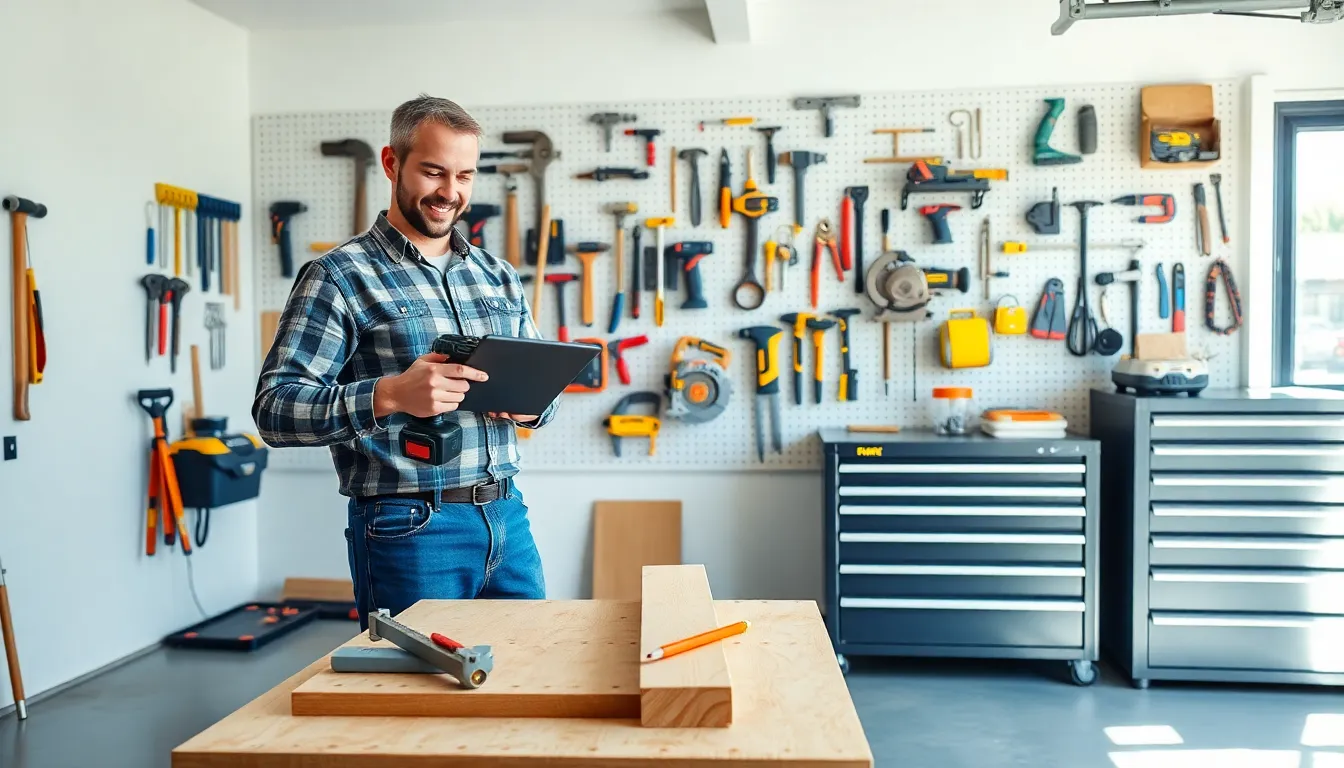
Pegboard mounted on a garage or workshop wall displays tools visibly. Users see everything at once and notice when something is missing. Hooks, bins, and shelves customize the layout for specific needs.
Tool Chests and Cabinets
Rolling tool chests store larger collections securely. Drawers organize tools by type, screwdrivers in one, pliers in another. Quality chests feature ball-bearing drawer slides and sturdy locks.
Wall-Mounted Racks
Power tools often fit on dedicated wall mounts. Cordless drills, circular saws, and sanders stay charged and ready. This approach frees up floor space and keeps expensive tools off damp concrete.
Labeling and Inventory
Labeling drawers and bins speeds up tool retrieval. Some hobbyists maintain a simple inventory list to track their collection. This habit prevents duplicate purchases and identifies gaps in the toolkit.
Organized storage extends tool life and improves project efficiency. A few hours spent setting up proper storage pays dividends for years.