Table of Contents
ToggleHome ideas for beginners don’t need to feel overwhelming. Anyone can make a living space look better with the right approach. Small changes often create the biggest visual impact. This guide covers practical steps to help first-timers transform their homes without stress or excessive spending. From budget planning to DIY projects, these strategies work for apartments, houses, and everything in between.
Key Takeaways
- Home ideas for beginners should start with a clear vision, specific goals, and a realistic budget to avoid impulse purchases.
- Focus on high-traffic areas like the living room or kitchen first for the most visible return on investment.
- Simple updates like fresh paint, better lighting, and new textiles create dramatic transformations without major expense.
- Beginner-friendly DIY projects such as painting furniture, creating gallery walls, and installing floating shelves add personal touches while saving money.
- Decluttering is essential—tackle one room at a time and use vertical storage solutions to maximize space.
- Low-maintenance plants like pothos and snake plants bring life to any room and require minimal care for first-time decorators.
Start With a Clear Vision and Budget
Every successful home project starts with a plan. Before buying anything, take time to define what the space should look and feel like. Pinterest boards, home magazines, and Instagram accounts offer endless inspiration.
Write down specific goals. Does the living room need more seating? Should the bedroom feel calmer? Clear goals prevent impulse purchases that don’t fit the overall vision.
Setting a Realistic Budget
Money matters. Set a firm budget before shopping. A good rule: allocate 50% to major furniture pieces, 30% to décor and accessories, and 20% to unexpected costs.
Track every expense. Spreadsheets or budgeting apps make this simple. Beginners often underestimate costs, so adding a 15% buffer helps avoid stress later.
Prioritizing Rooms and Projects
Not every room needs attention at once. Start with high-traffic areas like the living room or kitchen. These spaces offer the most visible return on investment.
Create a timeline. Rushing leads to poor decisions. Give each room or project adequate time and attention before moving to the next one.
Easy Décor Updates That Make a Big Impact
Home ideas for beginners work best when they’re simple yet effective. Paint tops the list. A fresh coat on walls instantly changes a room’s entire mood. Neutral tones create calm spaces, while bold colors add energy.
Lighting Changes Everything
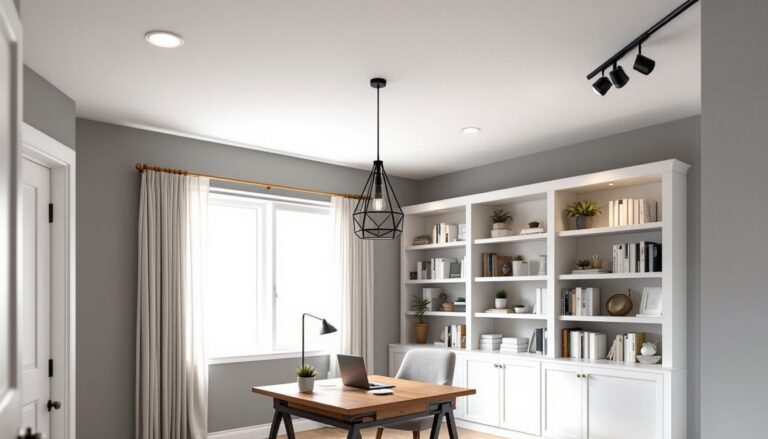
Bad lighting makes even beautiful rooms look dull. Swap out dated fixtures for modern options. Add floor lamps or table lamps to create warmth.
Dimmer switches cost little but add significant ambiance control. Layer different light sources, overhead, task, and accent, for depth.
Textiles and Soft Furnishings
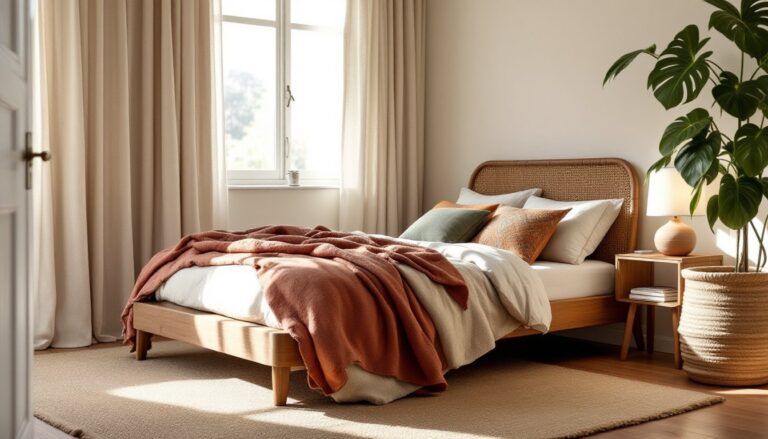
Throw pillows, blankets, and curtains offer quick visual upgrades. They’re also easy to swap seasonally without major expense.
Choose curtains that hang close to the ceiling. This trick makes rooms appear taller. Match colors across textiles to create a cohesive look.
Beginner-Friendly DIY Projects to Try
DIY projects save money and add personal touches. Home ideas for beginners should include a few hands-on activities.
Painting Furniture
Old furniture gets new life with paint. A dated dresser becomes a statement piece with the right color. Sand lightly, apply primer, then add two coats of paint. Finish with a protective sealant.
Creating Gallery Walls
Gallery walls showcase personality. Mix family photos, art prints, and small mirrors. Use paper templates to plan layouts before making holes in walls.
Start with larger frames in the center. Build outward with smaller pieces. Keep 2-3 inches between each frame for visual balance.
Simple Shelving Installation
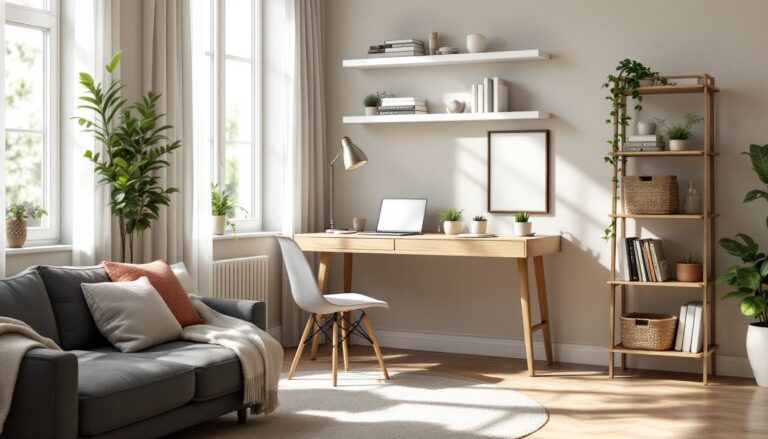
Floating shelves add storage and display space. Most require just a drill, level, and basic hardware. YouTube tutorials walk through each step clearly.
Place shelves at eye level for best visual impact. Use them in kitchens, bathrooms, or living areas for both function and style.
Organizing and Decluttering Basics
Clutter kills good design. The best home ideas for beginners often start with removing excess items. Less stuff means more breathing room.
The Room-by-Room Approach
Tackle one room at a time. Sort items into keep, donate, and trash piles. Be honest, if something hasn’t been used in a year, it probably won’t be.
Start with the easiest room first. Quick wins build momentum for tougher spaces like closets or garages.
Storage Solutions That Work
Baskets, bins, and boxes hide clutter while keeping items accessible. Label everything for easy retrieval.
Vertical storage maximizes space. Hooks on walls, over-door organizers, and tall shelving units use often-wasted areas. Under-bed storage works well in small bedrooms.
Maintaining Order
Once organized, maintain the system. Spend 10 minutes daily putting things back. Weekly quick tidying prevents major clean-up sessions.
Adding Personality With Plants and Accessories
Home ideas for beginners aren’t complete without personal touches. Plants bring life into any room. They purify air and add natural color.
Choosing Low-Maintenance Plants
Start with hardy options. Pothos, snake plants, and succulents survive neglect. They need minimal watering and thrive in various light conditions.
Group plants in odd numbers, three or five together looks better than two or four. Mix heights and pot styles for visual interest.
Accessorizing With Purpose
Books, candles, and decorative objects complete a space. Choose pieces that mean something rather than buying generic items.
Edit accessories regularly. Too many objects create visual noise. The “one in, one out” rule keeps displays fresh and intentional.
Displaying Collections
Collections tell stories. Whether it’s vintage cameras, travel souvenirs, or ceramic vases, group similar items together. A dedicated shelf or cabinet showcases treasures effectively.