Table of Contents
ToggleHome appliances examples range from refrigerators and washing machines to air conditioners and coffee makers. These devices make daily tasks faster and easier. They save time, reduce physical effort, and improve overall quality of life.
Every household relies on home appliances for cooking, cleaning, and comfort. Some appliances handle big jobs like preserving food or washing clothes. Others perform smaller tasks like blending smoothies or brewing coffee. Understanding the different types helps buyers make smart choices for their homes.
Key Takeaways
- Home appliances examples include major kitchen devices like refrigerators and dishwashers, small appliances like blenders and coffee makers, and climate control units like air conditioners.
- Major kitchen appliances represent significant investments that typically last 10 to 20 years with proper maintenance.
- Small kitchen appliances like air fryers, toasters, and food processors cost less and handle specific tasks efficiently for 5 to 10 years.
- Laundry appliances like washing machines can save roughly 6 hours per week compared to hand washing clothes.
- Energy Star-rated home appliances use less electricity and water, potentially saving $370 or more over their lifetime.
- When choosing home appliances, measure your available space, set a realistic budget, and prioritize features you’ll actually use daily.
Major Kitchen Appliances
Major kitchen appliances form the backbone of any functional kitchen. These large devices handle essential food storage and cooking tasks.
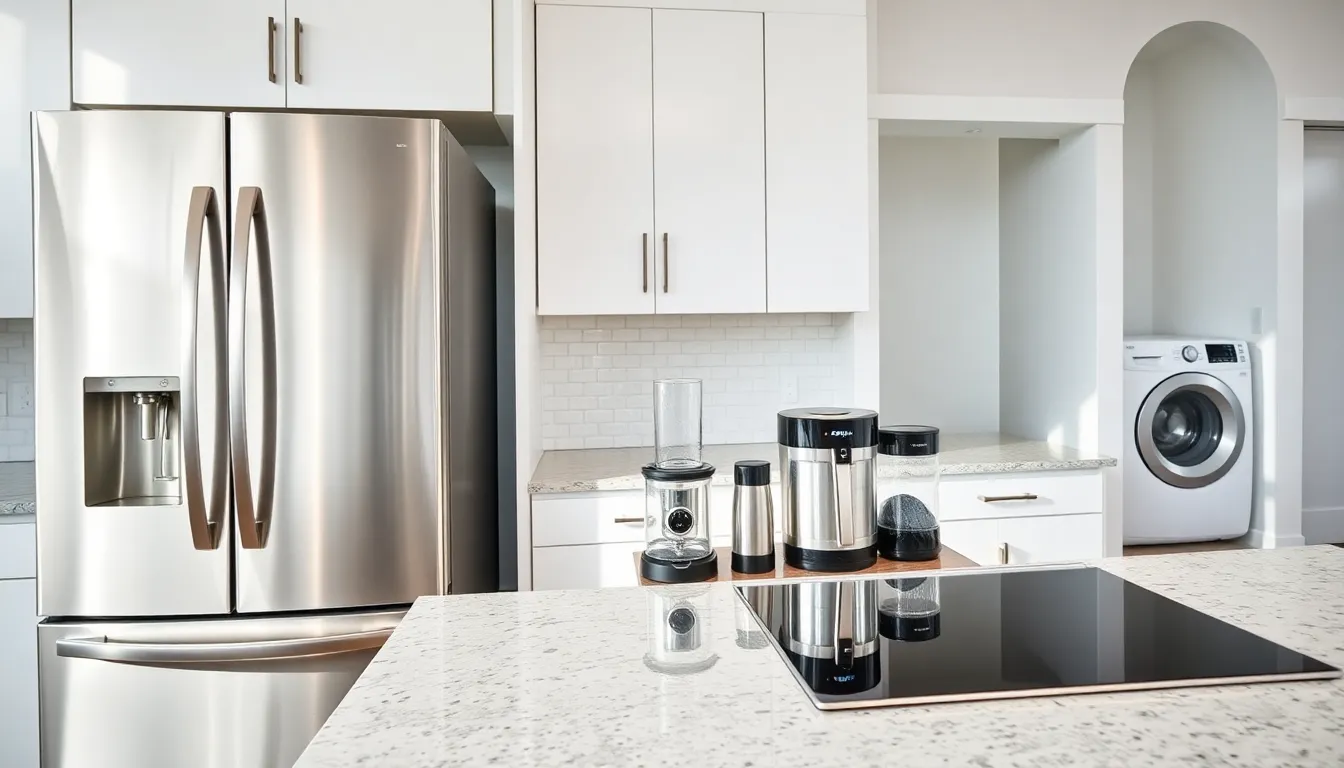
Refrigerators keep food fresh for days or weeks. Modern models include features like ice makers, water dispensers, and temperature-controlled drawers. French door, side-by-side, and top-freezer designs offer different storage configurations.
Ovens and ranges provide heat for baking, roasting, and stovetop cooking. Gas ranges deliver instant heat control, while electric models offer even temperatures. Many households now choose induction cooktops for their speed and energy efficiency.
Dishwashers clean dishes automatically, saving hours of manual scrubbing each week. Energy-efficient models use less water than hand washing. They also sanitize dishes at higher temperatures than human hands can tolerate.
Freezers offer extra storage space beyond the refrigerator’s freezer compartment. Chest freezers and upright models serve different space requirements. Families who buy groceries in bulk or preserve seasonal foods rely heavily on these home appliances examples.
These major appliances represent significant investments. They typically last 10 to 20 years with proper maintenance.
Small Kitchen Appliances
Small kitchen appliances handle specific tasks quickly and efficiently. They take up counter or cabinet space but deliver big results.
Microwave ovens reheat leftovers and cook simple meals in minutes. They’ve become standard in most kitchens since the 1980s. Some models combine microwave technology with convection heating for more versatile cooking.
Coffee makers brew fresh coffee automatically. Options include drip machines, single-serve pod systems, and espresso makers. Programmable models start brewing before users wake up.
Blenders mix ingredients for smoothies, soups, and sauces. High-powered models can crush ice and blend frozen fruit. Immersion blenders offer a handheld alternative for blending directly in pots.
Toasters and toaster ovens brown bread and heat small portions. Toaster ovens can bake, broil, and reheat, making them versatile home appliances examples for small spaces.
Food processors chop, slice, and shred ingredients in seconds. They save prep time for home cooks making large meals.
Air fryers have gained popularity for cooking crispy foods with minimal oil. They use hot air circulation to achieve fried textures.
These smaller home appliances examples cost less than major appliances and typically last 5 to 10 years.
Laundry and Cleaning Appliances
Laundry and cleaning appliances keep homes hygienic and clothes fresh. They handle labor-intensive chores automatically.
Washing machines clean clothes using water, detergent, and agitation. Front-loading models use less water and energy than top-loaders. High-efficiency machines can handle larger loads while using fewer resources.
Dryers remove moisture from wet clothes using heat and tumbling action. Gas dryers cost more upfront but run cheaper over time. Heat pump dryers offer the most energy-efficient option for drying clothes.
Vacuum cleaners remove dust, dirt, and debris from floors and upholstery. Upright, canister, and stick models serve different cleaning needs. Cordless vacuums offer portability without tangled cords.
Robot vacuums clean floors automatically with minimal human input. They can be programmed to run on schedules and return to their charging stations. Many models create maps of home layouts for efficient cleaning paths.
Steam mops sanitize hard floors using hot steam instead of chemicals. They kill bacteria and germs effectively.
These home appliances examples reduce the time spent on household chores significantly. A washing machine saves roughly 6 hours per week compared to hand washing clothes.
Climate Control and Comfort Appliances
Climate control appliances maintain comfortable indoor temperatures throughout the year. They regulate heating, cooling, and air quality.
Air conditioners cool indoor spaces during hot weather. Window units work well for single rooms. Central air systems cool entire homes through ductwork. Portable AC units can move between rooms as needed.
Heaters warm homes during cold months. Furnaces heat air and distribute it through ducts. Space heaters provide targeted warmth for individual rooms. Heat pumps can both heat and cool, making them efficient home appliances examples for moderate climates.
Dehumidifiers remove excess moisture from indoor air. They prevent mold growth and reduce that sticky feeling during humid seasons. Basements and bathrooms benefit most from these devices.
Humidifiers add moisture to dry indoor air. They help prevent dry skin, cracked lips, and respiratory discomfort during winter months.
Air purifiers filter pollutants, allergens, and particles from indoor air. HEPA filters capture particles as small as 0.3 microns. People with allergies or asthma often consider these essential home appliances.
Fans circulate air to create cooling effects without lowering room temperature. Ceiling fans, tower fans, and box fans offer different options for air movement.
How to Choose the Right Home Appliances
Choosing the right home appliances requires careful consideration of several factors. Smart buyers evaluate their needs before making purchases.
Consider Your Space
Measure available space before shopping. Large appliances need proper clearance for doors and ventilation. Small kitchens may benefit from compact or multi-function home appliances examples.
Evaluate Energy Efficiency
Energy Star-rated appliances use less electricity and water. They cost more upfront but save money on utility bills over time. A high-efficiency washer can save $370 or more over its lifetime compared to standard models.
Set a Realistic Budget
Home appliances range from $20 for basic small devices to $3,000+ for premium major appliances. Balance quality with affordability. Sometimes mid-range options deliver the best value.
Read Reviews and Ratings
Customer reviews reveal real-world performance issues. Professional reviews test durability, noise levels, and feature accuracy. Look for patterns across multiple reviews rather than isolated complaints.
Think About Features You’ll Actually Use
Fancy features increase prices but may go unused. A basic refrigerator keeps food cold just like a smart model. Prioritize features that match actual daily needs.
Check Warranty Coverage
Longer warranties protect against defects and repairs. Some brands offer better coverage than others. Extended warranties may or may not be worth the extra cost.