Table of Contents
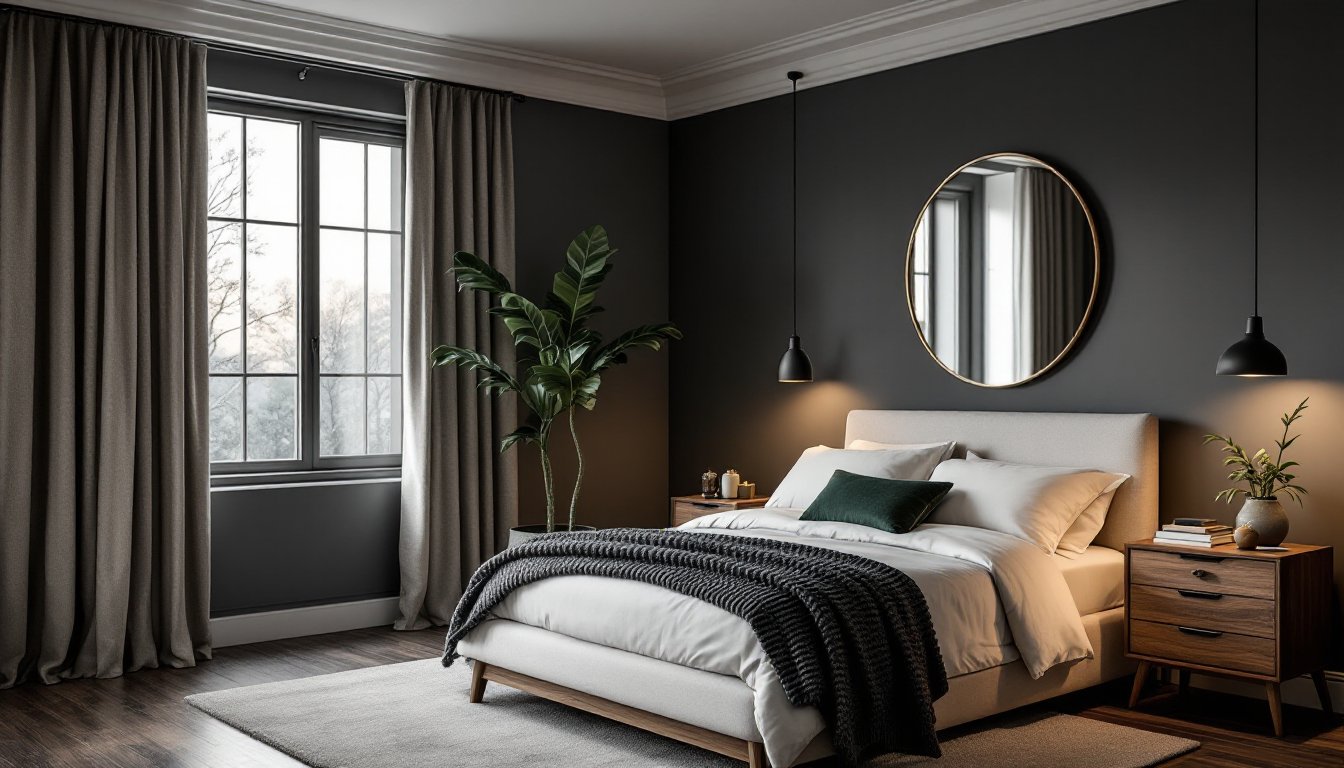
ToggleDark, moody bedrooms have surged in popularity, and for good reason. They offer a dramatic alternative to the airy, white-walled spaces that have dominated design trends for years. When done right, a dark bedroom becomes a cocooning retreat that feels intimate, luxurious, and surprisingly spacious. But going dark isn’t as simple as slapping charcoal paint on the walls. It requires careful attention to color selection, texture layering, and lighting to avoid ending up with a cave. This guide walks through the practical steps to create a moody bedroom that’s both sophisticated and livable.
Key Takeaways
- Dark moody bedroom ideas work best when they combine deep color, layered textures, and strategic lighting to create an intimate, luxurious retreat that promotes relaxation and better sleep.
- Choose dark colors with careful attention to undertones—charcoal gray, deep navy, forest green, and eggplant each offer different moods—and always test samples on multiple walls over 24 hours before committing.
- Layer textures through bedding, curtains, rugs, and wall treatments like wood paneling or grasscloth wallpaper to prevent dark rooms from feeling flat and lifeless.
- Implement layered, adjustable lighting with ambient, task, and accent sources on separate dimmers to avoid turning your moody bedroom into a grim cave or killing the mood with overlighting.
- Provide contrast through light-toned furniture, oversized mirrors, art, plants, and white trim on baseboards or crown molding to ensure your dark palette feels sophisticated rather than oppressive.
- Prioritize proper wall prep with sanding, spackle, and primed bases—dark paint reveals every imperfection far more than light colors, so two thin coats beat one thick coat every time.
Why Choose a Dark Moody Aesthetic for Your Bedroom
Dark colors create an enveloping atmosphere that naturally promotes relaxation and better sleep. Unlike bright or neutral palettes that reflect light, deep tones absorb it, reducing visual stimulation and helping the mind wind down. This is particularly beneficial for shift workers, light-sensitive sleepers, or anyone seeking a true sanctuary from the day.
There’s also a psychological component. Moody spaces feel intentional and curated, which can elevate the everyday experience of your bedroom. The aesthetic works especially well in rooms with awkward proportions, dark walls can visually blur boundaries, making oddly shaped spaces feel more cohesive.
Practically speaking, dark bedrooms age well. Scuffs, minor wall imperfections, and everyday wear are far less visible on charcoal or navy walls than on crisp white. For DIYers tackling a rental or a room with less-than-perfect drywall, this is a legitimate advantage. Just be aware: dark paint shows roller marks and uneven application more than lighter shades, so prep and technique matter.
Selecting the Perfect Dark Color Palette
Start with the undertone. Dark colors aren’t monolithic, charcoal can read warm or cool, navy can lean purple or green, and black itself varies by sheen and surrounding light. Test samples on at least two walls (one that gets natural light, one that doesn’t) and observe them over 24 hours before committing.
Popular moody palette options:
- Charcoal gray: Versatile and forgiving. Pairs well with warm wood tones and brass or matte black hardware. Look for colors with slight warm undertones to avoid a cold, industrial feel.
- Deep navy: Adds richness without reading as black. Works beautifully with white trim and linen bedding. Can feel nautical if paired with the wrong accents, stick to leather, velvet, or aged metals.
- Forest or hunter green: Grounding and unexpectedly cozy. Complements natural materials like jute, rattan, and unfinished wood. Avoid pairing with too much brass, which can veer Victorian.
- Eggplant or burgundy: Bold but warm. Best for rooms with good natural light. Needs careful balancing with neutrals to avoid feeling heavy.
- True black: The most dramatic choice. Requires excellent lighting and high-contrast elements (white bedding, light wood furniture) to avoid a flat, oppressive look.
For paint, choose a matte or eggshell finish. Flat absorbs the most light and hides imperfections best, but it’s harder to clean, eggshell offers a compromise. Semi-gloss or satin on dark walls amplifies every flaw and creates distracting reflections.
One gallon of quality paint typically covers 350–400 square feet per coat. Most dark colors require at least two coats over primed walls, sometimes three if you’re covering a lighter existing color. Budget accordingly and don’t skip the primer, color-blocking techniques rely on clean, even base layers.
Layering Textures for Depth and Warmth
Dark rooms without texture read flat and lifeless. The key is building visual and tactile interest through varied materials, this is where the “moody” part really comes alive.
Textiles to layer:
- Bedding: Start with crisp white or cream linen for contrast, then add a chunky knit throw, velvet lumbar pillow, or faux fur accent. The interplay between smooth and nubby textures creates depth.
- Window treatments: Heavy linen or velvet curtains in a shade slightly lighter than the walls soften hard edges and improve sound dampening. Floor-to-ceiling panels add height. Blackout lining is a bonus for sleep quality.
- Area rugs: A high-pile wool or jute rug anchors the space and warms up dark floors. Avoid overly busy patterns, stick to subtle geometric or solid options.
Wall treatments beyond paint:
- Wood paneling or shiplap: Painted the same dark color as the walls, this adds subtle dimension. Use actual 1×6 or 1×8 boards, not peel-and-stick, real wood reads better.
- Wallpaper: Textured grasscloth, subtle damask, or modern geometric patterns in dark tones add richness. Peel-and-stick options work for renters but can bubble in humid climates.
- Exposed brick or concrete: If you’re working with existing masonry, seal it with a matte sealer and leave it raw. It pairs naturally with moody palettes.
Don’t ignore the ceiling. Painting it the same dark color as the walls creates a seamless, enveloping effect, what designers call a “color drench.” It sounds risky, but in practice it makes the room feel more cohesive and larger, not smaller. Just ensure your lighting is up to the task.
Lighting Strategies That Enhance the Mood
Lighting makes or breaks a dark bedroom. Insufficient light turns cozy into grim: overlighting kills the mood entirely. The goal is layered, adjustable lighting that serves multiple needs.
Ambient lighting:
A central fixture is fine, but skip builder-grade dome lights. Opt for a statement piece, an oversized pendant, a sculptural chandelier, or a drum shade in linen or rattan. Install it on a dimmer switch. This is non-negotiable for mood control and should be wired according to NEC guidelines if you’re adding a new fixture (turn off power at the breaker before any electrical work).
Task lighting:
Bedside lamps or wall-mounted sconces provide reading light without flooding the room. Look for adjustable arms or three-way bulbs. Brass, matte black, or aged bronze finishes work well. Aim for 40–60 watts equivalent LED per side, enough to read by, not enough to wake a partner.
Accent lighting:
This is where you add drama. LED strip lighting behind a headboard or under floating nightstands creates a subtle glow. Picture lights over artwork, a floor lamp in a corner, or even a small table lamp on a dresser adds visual interest and prevents dark corners from becoming dead zones.
Natural light management:
Don’t block it entirely. Sheer underlayers or top-down/bottom-up shades let you control privacy and light separately. Morning light in a dark, layered room can be stunning, it highlights textures and creates soft contrast.
Bulb temperature matters: Stick to 2700K (warm white) for a cozy feel. Anything cooler reads clinical and works against the moody aesthetic.
Furniture and Decor Choices for a Dramatic Look
Furniture in a dark bedroom should provide contrast and anchor the space without competing with the walls.
Bed frame and headboard:
Light-toned upholstered headboards (linen, boucle, or velvet in cream or gray) offer soft contrast. For a more dramatic look, a wood headboard in walnut or oak with visible grain adds warmth. Avoid matchy-matchy bedroom sets, they read generic.
Nightstands and dressers:
Mid-century modern pieces in walnut or teak work beautifully. Alternatively, painted furniture in a lighter shade (soft sage, greige, or white) breaks up the darkness. Open shelving or cane detailing adds lightness.
Metals and hardware:
Brass, aged bronze, or matte black hardware and fixtures feel intentional. Chrome and polished nickel can look cold unless balanced with plenty of warm wood and textiles.
Decor and art:
- Mirrors: Essential for bouncing light. Oversized leaning mirrors or a gallery wall of vintage frames in mixed metals add dimension.
- Art: Large-scale pieces with light or metallic elements create focal points. Black-and-white photography, abstract work, or landscapes with sky visible all provide contrast.
- Plants: Greenery pops against dark walls. Snake plants, pothos, or fiddle leaf figs (if you have the light) add life. Use planters in natural clay, white ceramic, or matte black.
Storage solutions:
Built-in shelving painted the same color as the walls creates a seamless look. Floating shelves in light wood or metal add function without visual clutter. Baskets and bins in natural materials keep the aesthetic cohesive.
Common Mistakes to Avoid When Going Dark
Skipping the prep work. Dark paint telegraphs every drywall imperfection, dust speck, and uneven stroke. Sand walls smooth, fill holes with spackle, and use a tinted primer that’s close to your final color. Cut in edges with a brush, then roll in a W-pattern for even coverage. Two thin coats beat one thick coat every time.
Ignoring sheen. Semi-gloss or high-gloss finishes on dark walls highlight flaws and create hot spots. Stick with matte or eggshell unless you’re painting furniture or trim.
Too much darkness, no relief. An all-dark room with dark furniture, dark bedding, and no contrast feels oppressive. Introduce light through textiles, furniture, or strategic white trim. Crown molding, baseboards, and door frames in white or cream provide crisp boundaries.
Poor lighting planning. One overhead light isn’t enough. You need at least three light sources on separate switches or dimmers. If you’re installing new fixtures, ensure wiring meets NEC standards and consider hiring a licensed electrician for anything beyond a simple fixture swap.
Choosing the wrong dark color. Not all dark colors work in all spaces. Test samples in your actual room, what looks perfect in a design magazine might read completely different in your lighting. Live with samples for a few days.
Forgetting about HVAC vents and outlets. Painting over vents and switch plates looks sloppy. Remove covers before painting, or paint them separately and reinstall. Consider upgrading to matte black or brass outlets and switch plates for a finished look, they’re inexpensive and make a big difference.
Conclusion
A dark, moody bedroom isn’t a trend, it’s a deliberate design choice that prioritizes comfort, drama, and personal style. With careful attention to color selection, texture layering, and lighting, a dark palette can transform a bedroom into a space that feels both luxurious and deeply restful. The key is balancing boldness with livability, ensuring every element serves both form and function.