Table of Contents
ToggleHome appliances shape daily life in modern households. These devices handle cooking, cleaning, food storage, and dozens of other tasks that once required hours of manual labor. Understanding what home appliances are, and how they differ by type, size, and function, helps consumers make smarter buying decisions.
This guide breaks down the definition of home appliances, explains the difference between major and small appliances, explores common categories, and offers practical tips for choosing the right products. Whether someone is furnishing a first apartment or upgrading an existing kitchen, this information provides a solid foundation.
Key Takeaways
- Home appliances are electrical or mechanical devices designed to save time, reduce effort, and improve quality of life in households.
- Major appliances (refrigerators, washers, ovens) are large, permanent fixtures costing $1,000–$3,000+, while small appliances are portable and typically range from $20 to $300.
- Common home appliance categories include kitchen, laundry, climate control, cleaning, and personal care devices.
- Energy-efficient home appliances with Energy Star ratings cost more upfront but significantly reduce utility bills over time.
- Before purchasing, assess your household needs, measure available space, compare energy efficiency, and read customer reviews.
- Smart home appliances with Wi-Fi connectivity offer convenience features like remote monitoring and app control for added flexibility.
Definition and Purpose of Home Appliances
Home appliances are electrical or mechanical devices designed for household tasks. They perform functions that save time, reduce physical effort, and improve quality of life. From refrigerators to vacuum cleaners, these products form the backbone of a functional home.
The primary purpose of home appliances is convenience. A washing machine cleans clothes in under an hour. A microwave heats food in minutes. A dishwasher scrubs plates while owners relax. These devices automate repetitive chores and free up time for other activities.
Home appliances also improve safety and hygiene. Refrigerators keep food fresh and prevent spoilage. Water heaters deliver hot water for sanitation. Air purifiers remove dust and allergens from indoor air.
Energy efficiency is another key benefit. Modern home appliances often carry Energy Star ratings or similar certifications. These products consume less electricity and lower utility bills over time. A high-efficiency washer, for example, uses less water and power than older models.
In short, home appliances exist to make domestic life easier, safer, and more efficient. They’ve become so essential that most households can’t function without them.
Major Appliances vs. Small Appliances
Home appliances fall into two broad groups: major appliances and small appliances. Understanding the difference helps buyers plan budgets and prioritize purchases.
Major Appliances
Major appliances, sometimes called white goods, are large, heavy, and usually permanent fixtures. They require dedicated electrical outlets or plumbing connections. Examples include:
- Refrigerators
- Washing machines
- Dryers
- Dishwashers
- Ovens and ranges
- Freezers
- Water heaters
These home appliances represent significant investments. A quality refrigerator can cost $1,000 to $3,000 or more. Installation often requires professional help. Major appliances typically last 10 to 20 years with proper maintenance.
Small Appliances
Small appliances are portable, lightweight, and plug into standard outlets. They handle specific tasks and cost far less than major appliances. Common examples include:
- Toasters
- Blenders
- Coffee makers
- Microwaves
- Electric kettles
- Food processors
- Handheld vacuums
Small home appliances usually range from $20 to $300. They require no installation and can be stored in cabinets or closets. Lifespan varies, but most last 3 to 10 years.
Both categories serve important roles. Major appliances handle core household functions. Small appliances add convenience and flexibility for everyday tasks.
Common Categories of Home Appliances
Home appliances span multiple categories based on their function. Here’s a breakdown of the most common types:
Kitchen Appliances
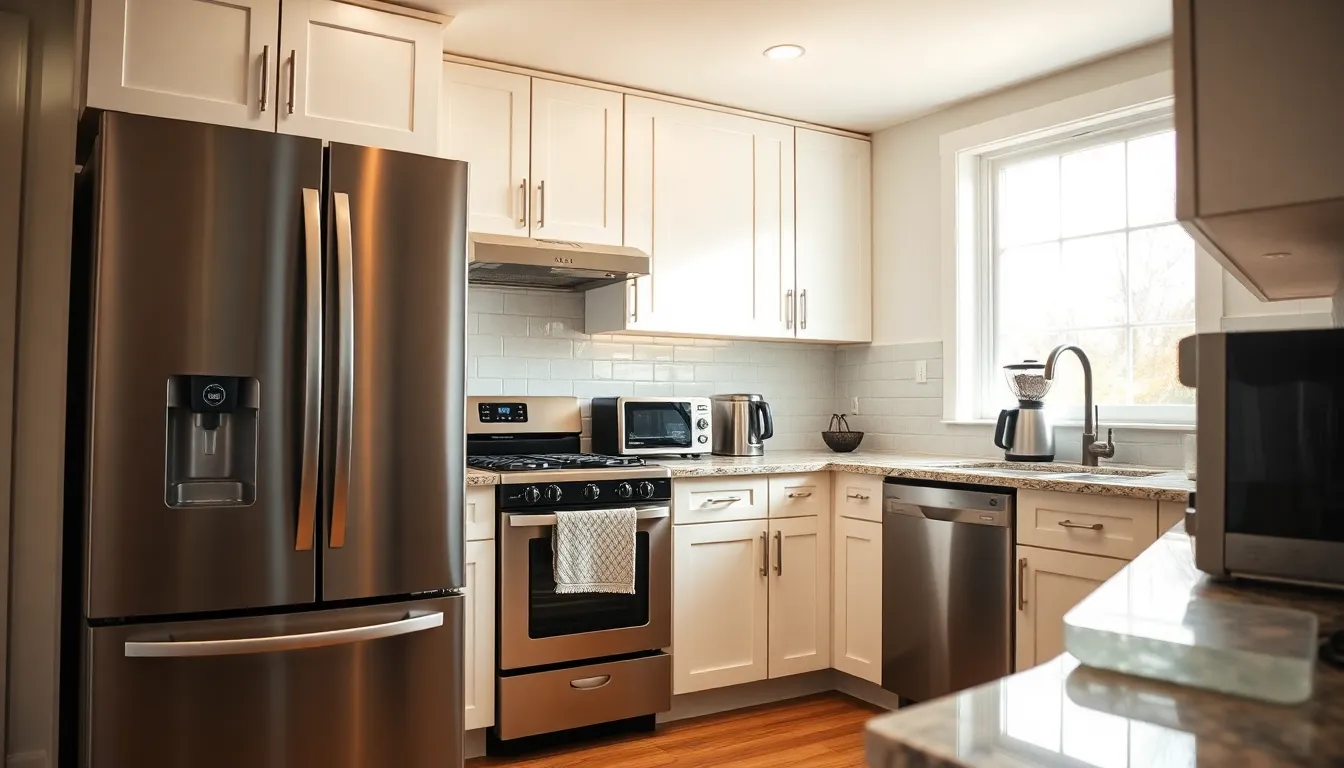
Kitchen appliances dominate most households. This category includes refrigerators, stoves, ovens, microwaves, dishwashers, and a wide range of countertop devices. Blenders, mixers, air fryers, and instant pots have become kitchen staples in recent years. These home appliances make meal prep faster and more versatile.
Laundry Appliances
Washing machines and dryers form the core of laundry appliances. Front-load and top-load washers offer different benefits. Some households also use standalone steamers or garment care systems. Modern laundry home appliances feature smart technology, allowing remote monitoring and cycle adjustments.
Climate Control Appliances
Air conditioners, heaters, fans, humidifiers, and dehumidifiers fall into this group. These home appliances regulate indoor temperature and air quality. Portable units work well for single rooms, while central systems serve entire homes.
Cleaning Appliances
Vacuum cleaners, robot vacuums, steam mops, and carpet cleaners keep floors and surfaces spotless. Cleaning home appliances have advanced significantly, robotic models now map rooms and operate on schedules without human input.
Personal Care Appliances
Hair dryers, electric shavers, electric toothbrushes, and massagers belong to this category. While smaller and more specialized, these home appliances contribute to daily routines and personal hygiene.
How to Choose the Right Home Appliances
Selecting the right home appliances requires balancing needs, budget, and long-term value. These tips help buyers make informed decisions.
Assess Household Needs
Start by identifying what tasks need automation. A single person living in a studio apartment has different needs than a family of five. Consider cooking habits, laundry volume, and cleaning frequency. Buy home appliances that match actual usage patterns.
Set a Realistic Budget
Home appliances range from under $50 to several thousand dollars. Determine how much to spend before shopping. Remember that major appliances often have hidden costs like delivery, installation, and extended warranties.
Compare Energy Efficiency
Energy-efficient home appliances cost more upfront but save money over time. Look for Energy Star labels or equivalent certifications. Check the estimated annual energy consumption listed on product labels.
Read Reviews and Ratings
Customer reviews reveal real-world performance issues. Look for patterns in feedback, recurring complaints about durability or noise signal potential problems. Professional reviews from trusted sources also provide valuable insights.
Check Dimensions and Space
Measure available space before purchasing home appliances. A refrigerator that doesn’t fit the kitchen opening creates major headaches. Confirm door swing directions, ventilation requirements, and clearance needs.
Consider Smart Features
Many modern home appliances offer Wi-Fi connectivity and app control. Smart refrigerators can track inventory. Smart washers send notifications when cycles finish. Decide whether these features add genuine value or unnecessary complexity.