Table of Contents
ToggleHome appliances tools save homeowners time, money, and frustration. A broken dishwasher or malfunctioning refrigerator doesn’t always require a costly service call. With the right tools, many common appliance issues become simple DIY fixes.
The average American household contains over a dozen major appliances. Each one will eventually need maintenance or minor repairs. Having proper home appliances tools on hand means faster fixes and fewer emergency repair bills. This guide covers the essential tools every homeowner needs to maintain and repair their appliances safely and effectively.
Key Takeaways
- Home appliances tools can save homeowners hundreds of dollars by enabling DIY repairs instead of costly service calls.
- Essential tools include screwdriver sets, adjustable wrenches, needle-nose pliers, and nut drivers for basic appliance repairs.
- Diagnostic tools like multimeters and non-contact voltage testers help identify electrical problems safely before physical repairs begin.
- Invest in quality home appliances tools from reputable brands with warranties—cheap tools give unreliable results and fail faster.
- Always disconnect power, water, and gas before working on any appliance to prevent accidents.
- Know your limits—refrigerant handling, gas line work, and major electrical repairs should be left to licensed professionals.
Understanding Home Appliances Tools
Home appliances tools are specialized instruments designed for maintaining, diagnosing, and repairing household equipment. These tools differ from general hardware because they address the specific needs of appliances like refrigerators, washing machines, ovens, and HVAC systems.
Most home appliances tools fall into three categories. First, there are hand tools for physical repairs, think screwdrivers, pliers, and wrenches. Second, diagnostic tools help identify electrical and mechanical problems. Third, specialty tools address specific appliance types or components.
Why does this matter? Modern appliances combine mechanical parts with electronic controls. A refrigerator contains motors, fans, thermostats, and circuit boards. A washing machine uses pumps, belts, sensors, and timers. Home appliances tools must address both the physical and electrical aspects of these machines.
Investing in quality home appliances tools pays off quickly. A single service call averages $150 to $300 before parts. The right toolkit costs a fraction of that and serves homeowners for years. Beyond cost savings, having proper tools means faster repairs. Nobody wants a broken dryer sitting idle for a week while waiting for a technician.
Must-Have Tools for Appliance Maintenance and Repair
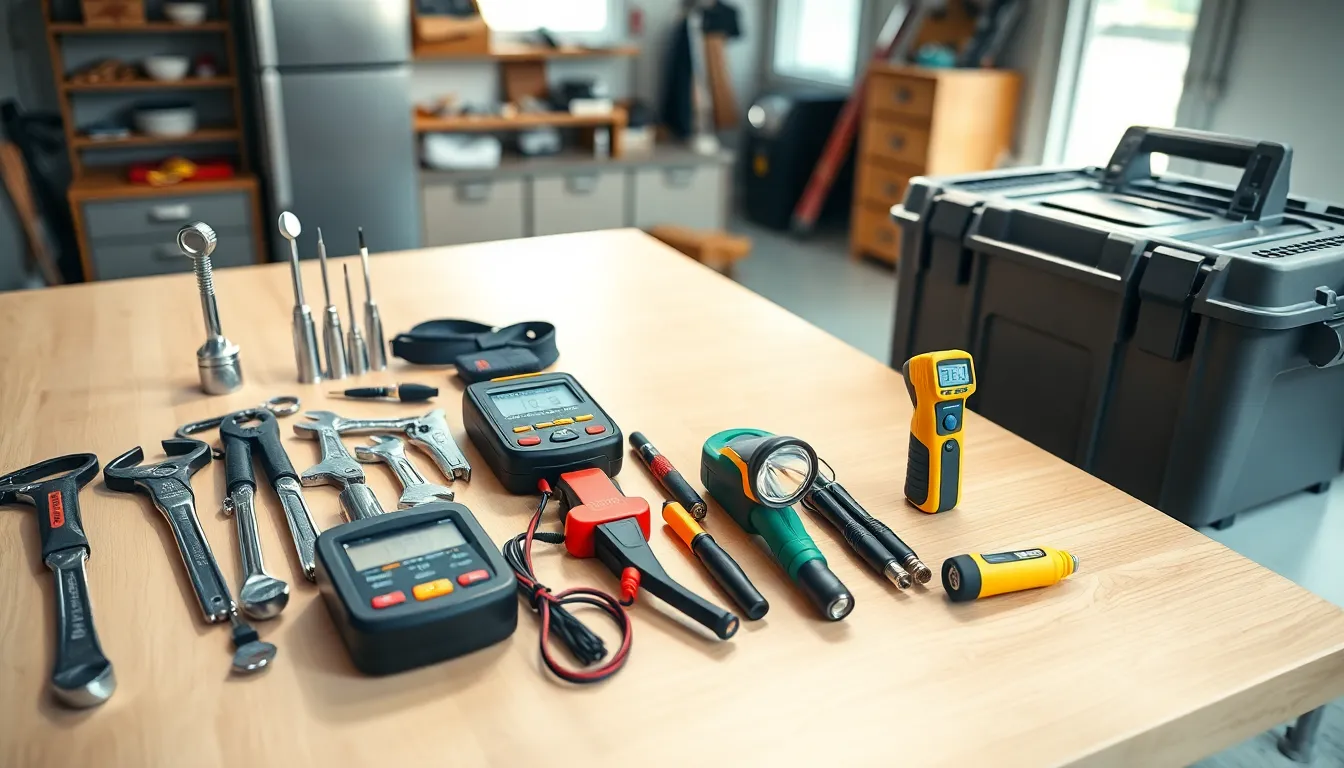
Building a complete home appliances tools collection doesn’t happen overnight. Start with the essentials below, then expand based on specific needs.
Hand Tools for Basic Repairs
Every appliance toolkit needs these fundamentals:
Screwdriver Set: Get both flathead and Phillips head screwdrivers in multiple sizes. Many appliances use Torx or hex screws, so include those as well. A 20-piece set covers most situations.
Adjustable Wrench: One 8-inch and one 12-inch adjustable wrench handle most nuts and bolts found in home appliances. They’re essential for water line connections and mounting hardware.
Needle-Nose Pliers: These reach into tight spaces where fingers can’t go. They’re perfect for gripping small parts, bending wires, and removing stubborn clips.
Nut Driver Set: Faster than a wrench for hex-head screws, nut drivers speed up panel removal on washers, dryers, and refrigerators. A set from 1/4-inch to 1/2-inch covers common sizes.
Flashlight or Headlamp: Appliances hide their problems in dark corners. A bright LED headlamp keeps both hands free while inspecting and repairing.
Diagnostic and Electrical Tools
These home appliances tools help identify problems before physical repairs begin:
Multimeter: This single tool tests voltage, continuity, and resistance. It reveals whether a heating element has failed, a fuse has blown, or a switch has malfunctioned. Digital multimeters with auto-ranging features are easiest to use.
Non-Contact Voltage Tester: Safety first. This pen-style device detects live electrical current without touching wires. It confirms power is off before any repair work begins.
Thermometer: Infrared thermometers check refrigerator temperatures, oven accuracy, and dryer heat output. They help diagnose temperature-related problems quickly.
Inspection Mirror: A small mirror on a telescoping handle reveals hidden components behind and beneath appliances. Combined with a flashlight, it exposes problems invisible to direct sight.
How to Choose Quality Tools for Home Appliances
Not all home appliances tools perform equally. Quality matters for safety, durability, and repair success.
Material Quality: Look for chrome vanadium steel in hand tools. It resists rust and maintains its shape under pressure. Avoid tools with visible casting flaws or rough edges, they’ll fail faster and potentially damage appliance components.
Ergonomic Handles: Comfortable grips reduce hand fatigue during longer repairs. Rubberized handles also provide better control and prevent slipping.
Accuracy in Diagnostic Tools: Cheap multimeters give unreliable readings. Invest in a reputable brand like Fluke, Klein, or Ideal. Accurate diagnostics prevent misdiagnosis and wasted replacement parts.
Brand Reputation: Stanley, Craftsman, DeWalt, and Milwaukee produce reliable home appliances tools. These brands offer warranties and replacement programs. A lifetime warranty on hand tools provides real value.
Specialized vs. General Purpose: Some repairs require specialized tools. Ice maker water valve wrenches, refrigerant gauges, and bearing pullers serve specific purposes. Buy these as needed rather than upfront.
Organization matters too. Store home appliances tools in a dedicated toolbox or wall-mounted system. Proper storage prevents rust, damage, and the frustration of missing tools during urgent repairs.
Safety Tips When Working With Home Appliances
Home appliances tools are only useful when used safely. Appliances combine electricity, water, gas, and moving parts, a potentially dangerous combination.
Always Disconnect Power: Unplug the appliance or turn off the circuit breaker before any repair. Use a non-contact voltage tester to confirm no current flows. This single step prevents most electrical accidents.
Turn Off Water and Gas Supplies: Dishwashers, washing machines, and water heaters require shutting off water valves. Gas appliances need the gas supply closed before any work begins. Know where these shutoffs are located before emergencies happen.
Wear Appropriate Protection: Safety glasses protect eyes from debris and broken parts. Work gloves prevent cuts from sharp metal edges inside appliances. Closed-toe shoes guard feet from dropped tools and heavy components.
Never Bypass Safety Features: Appliances contain interlocks, thermal fuses, and pressure switches for good reason. Defeating these safeguards creates fire and injury risks.
Know Your Limits: Some repairs exceed DIY skill levels. Refrigerant handling, gas line work, and major electrical repairs require licensed professionals. Using home appliances tools doesn’t mean every repair is safe to attempt.
Keep Manuals Accessible: Manufacturer documentation provides wiring diagrams, part numbers, and safety warnings specific to each model. Store manuals digitally for easy access during repairs.