Table of Contents
ToggleFiguring out how to home ideas that actually work can feel overwhelming. There are thousands of Pinterest boards, Instagram accounts, and home improvement shows competing for attention. But here’s the truth: transforming a living space doesn’t require a massive budget or professional design experience.
The best home ideas start with intention. They blend practical solutions with personal style. Whether someone wants to refresh a single room or overhaul an entire house, the process follows similar principles. This guide breaks down actionable strategies for anyone ready to create a space they genuinely love coming home to.
Key Takeaways
- Start every home improvement project with a clear vision and mood board to guide decisions and prevent costly mistakes.
- Budget-friendly home ideas like paint, hardware swaps, and lighting upgrades deliver high impact without major expense.
- Quick room updates—such as rearranging furniture, adding mirrors, or refreshing textiles—can transform spaces in just a few hours.
- DIY projects like floating shelves—and gallery walls add unique character while building confidence for larger home improvements.
- Sustainable home ideas like LED bulbs, smart thermostats, and secondhand furniture benefit both your wallet and the environment.
- The best home ideas match your real daily life and routines, not unattainable magazine aesthetics.
Start With A Clear Vision For Your Space
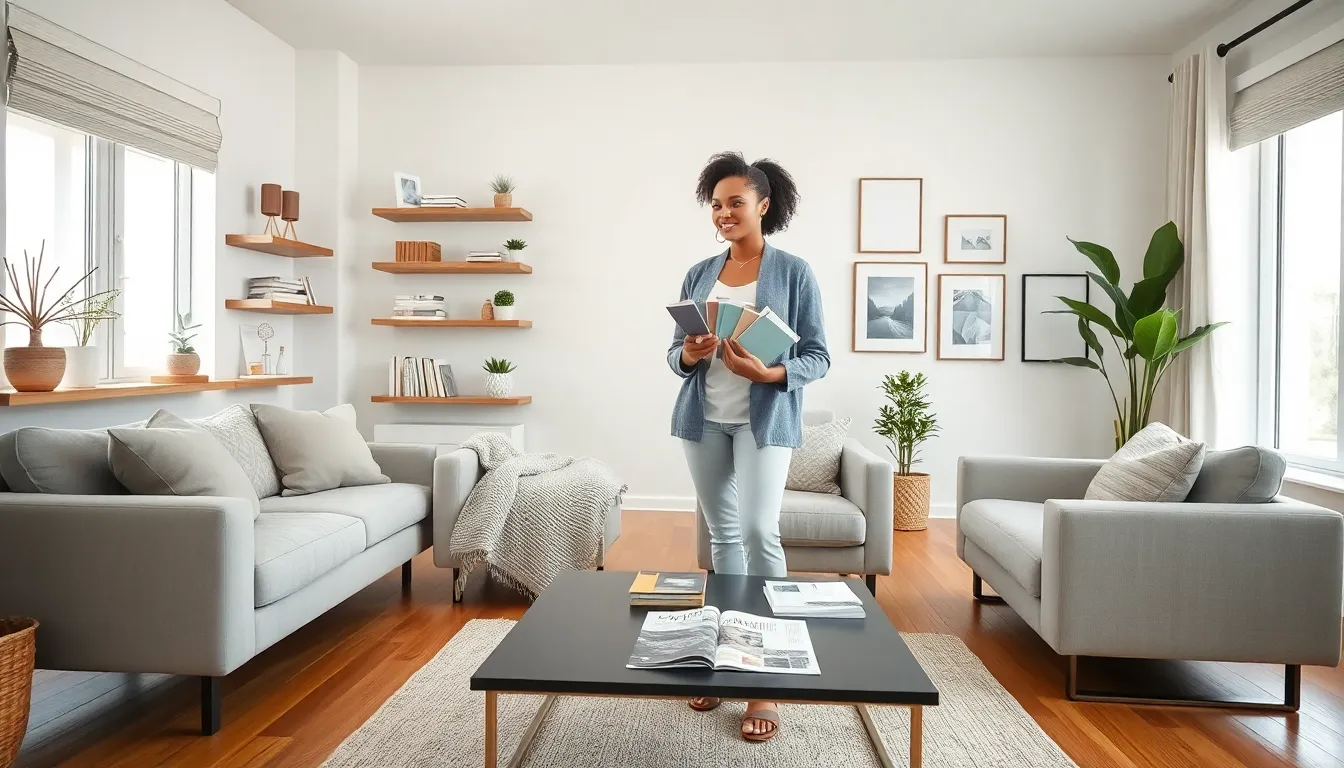
Every successful home project begins with a vision. Before buying a single item or picking up a paintbrush, homeowners should ask themselves what they want to feel in each room. Calm? Energized? Inspired?
This step sounds simple, but it prevents costly mistakes. A clear vision acts as a filter for decisions. When debating between two paint colors or furniture styles, the vision provides the answer.
Here’s how to develop that vision:
- Create a mood board. Collect images from magazines, websites, or apps like Pinterest. After gathering 20-30 images, patterns emerge. Maybe warm wood tones keep appearing. Or clean lines dominate the collection.
- Identify what isn’t working. Walk through the home and note specific frustrations. Poor lighting? Lack of storage? Too much clutter? These pain points shape the priority list.
- Consider daily routines. A home should support how people actually live. Families with young kids need durable materials. Remote workers need dedicated office zones.
Home ideas work best when they match real life, not a magazine photoshoot that nobody can maintain.
Budget-Friendly Home Improvement Ideas
Money constraints don’t have to limit creativity. Some of the most impactful home ideas cost very little. The key is knowing where to invest and where to save.
High-impact, low-cost updates:
- Paint. A gallon of quality paint costs around $30-50 and can completely change a room’s character. Dark rooms feel larger with light colors. Neutral spaces gain personality with an accent wall.
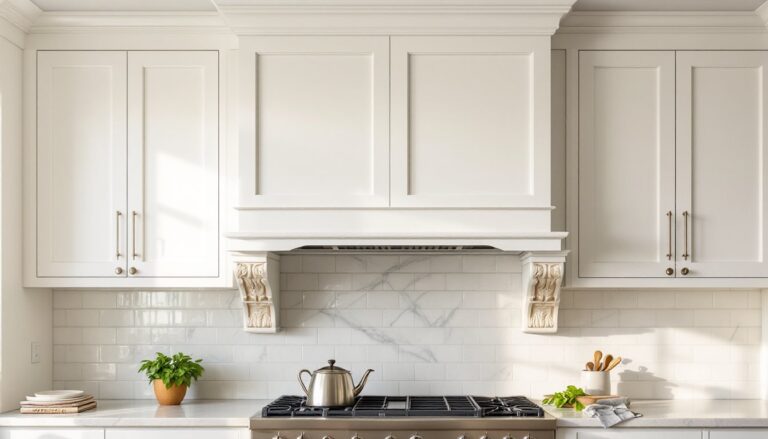
- Hardware swaps. Replacing cabinet knobs, drawer pulls, and door handles takes an afternoon. This small change modernizes kitchens and bathrooms instantly.
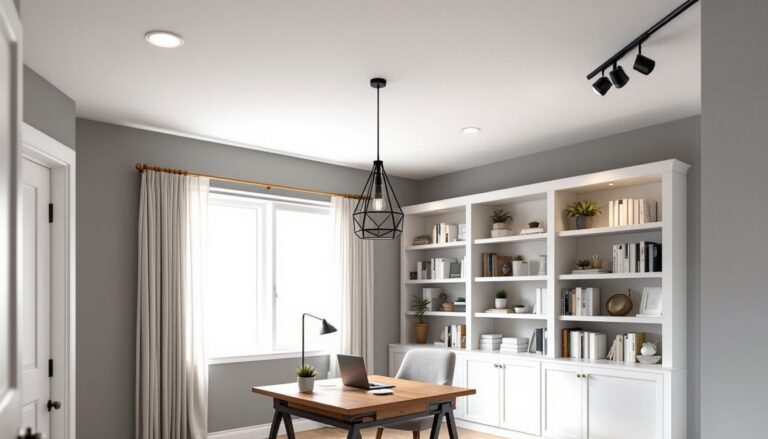
- Lighting upgrades. Swapping outdated fixtures for modern options transforms a space. Thrift stores and online marketplaces often have stylish fixtures at a fraction of retail prices.
- Textiles refresh. New throw pillows, curtains, or area rugs add color and texture without major expense.
Where to splurge:
Some items deserve a bigger budget. Quality mattresses, comfortable seating, and durable flooring see daily use. Spending more here pays off over years of use.
Homeowners exploring how to home ideas on a budget should also check for local buy-nothing groups, estate sales, and seasonal clearance events. Patience often leads to significant savings.
Quick Updates For Every Room
Not every improvement requires a weekend-long project. Some of the best home ideas take just a few hours.
Living Room
Rearranging furniture costs nothing and creates a fresh perspective. Moving the sofa away from the wall can make spaces feel more intimate. Adding a large mirror reflects light and makes rooms appear bigger.
Kitchen
Open shelving replaces upper cabinets for an airy look. Peel-and-stick backsplash tiles offer a quick facelift without permanent changes, perfect for renters. Under-cabinet lighting improves both function and ambiance.
Bedroom
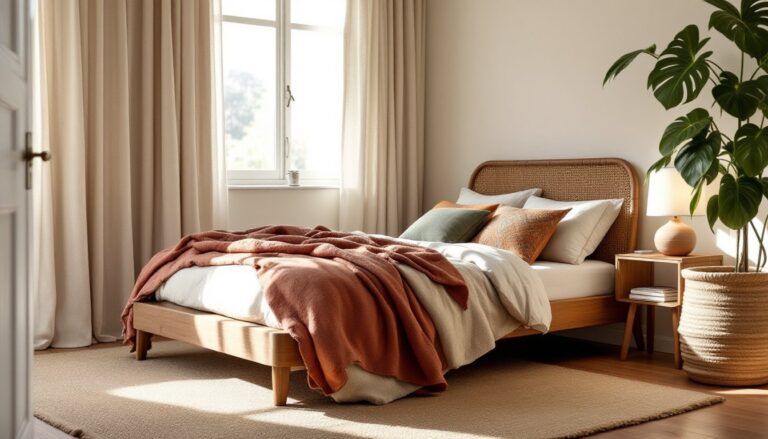
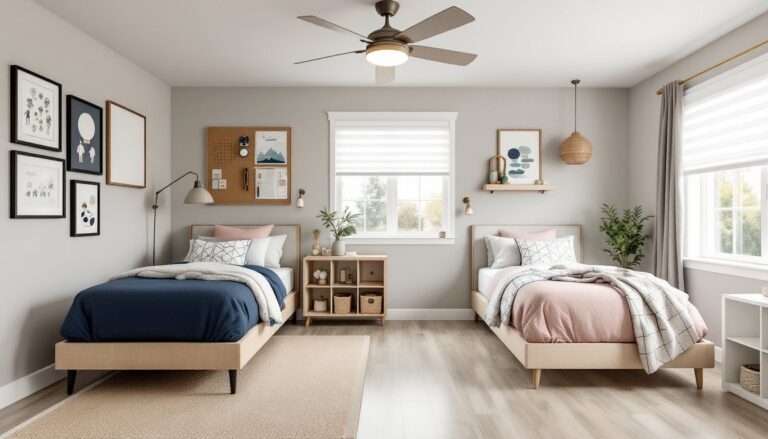
New bedding transforms the entire feel of a bedroom. Layering different textures (linen sheets, a chunky knit throw, velvet pillows) adds visual interest. Removing clutter from nightstands creates a calmer sleep environment.
Bathroom
Swapping out the shower curtain, adding matching towels, and placing a plant on the counter elevates a bathroom in under an hour. A new mirror frame (even a DIY version using molding) adds character.
These quick home ideas prove that transformation doesn’t require demolition. Small, intentional changes add up to major results.
DIY Projects To Personalize Your Home
DIY projects give homes unique character that store-bought items can’t replicate. They also save money and provide genuine satisfaction.
Beginner-friendly projects:
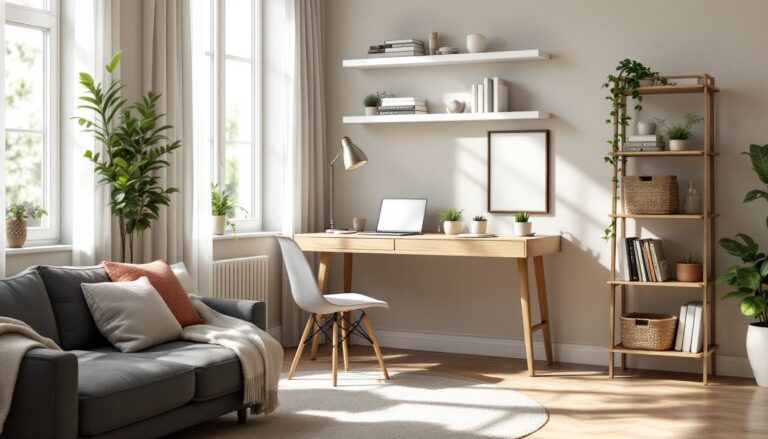
- Floating shelves. Basic woodworking skills and a level are all that’s needed. These shelves display books, plants, and photos while adding storage.
- Custom gallery walls. Mixing frame sizes and styles creates visual interest. The key is laying out the arrangement on the floor first before hammering any nails.
- Furniture refinishing. Old dressers, tables, and chairs gain new life with sandpaper, primer, and paint. YouTube tutorials walk through each step.
Intermediate projects:
- Accent walls. Board and batten, shiplap, or geometric paint designs add architectural interest. These projects require basic tools and a free weekend.
- Built-in storage. Converting closets or nooks into functional storage involves measuring, cutting, and installing shelving systems.
Home ideas that involve personal effort carry extra meaning. Guests notice handmade pieces. They spark conversations. And they ensure nobody else has the exact same space.
One tip: start small. Completing a simple project builds confidence for bigger ones.
Sustainable And Eco-Friendly Home Ideas
Sustainable choices benefit both the planet and household budgets. Many eco-friendly home ideas reduce utility bills while creating healthier living environments.
Energy efficiency:
- LED bulbs use 75% less energy than incandescent options.
- Smart thermostats learn household patterns and optimize heating and cooling.
- Window treatments (cellular shades, blackout curtains) provide insulation.
Sustainable materials:
When purchasing new items, look for reclaimed wood, bamboo, cork, or recycled materials. These options reduce environmental impact without sacrificing style.
Indoor plants:
Plants improve air quality and add life to any room. Low-maintenance options like pothos, snake plants, and ZZ plants thrive with minimal care.
Secondhand first:
Buying used furniture, decor, and fixtures keeps items out of landfills. Vintage pieces often have better construction than modern mass-produced alternatives. Plus, they add character that new items lack.
Reduce single-use items:
Kitchens benefit from reusable containers, cloth napkins, and refillable soap dispensers. These swaps look better than disposable alternatives and save money over time.
Sustainable home ideas don’t require compromise. They represent smart design choices that serve both present comfort and future generations.